Char Dham Yatra Packing List 2026: Things to Carry & Saman List (Free PDF Checklist)
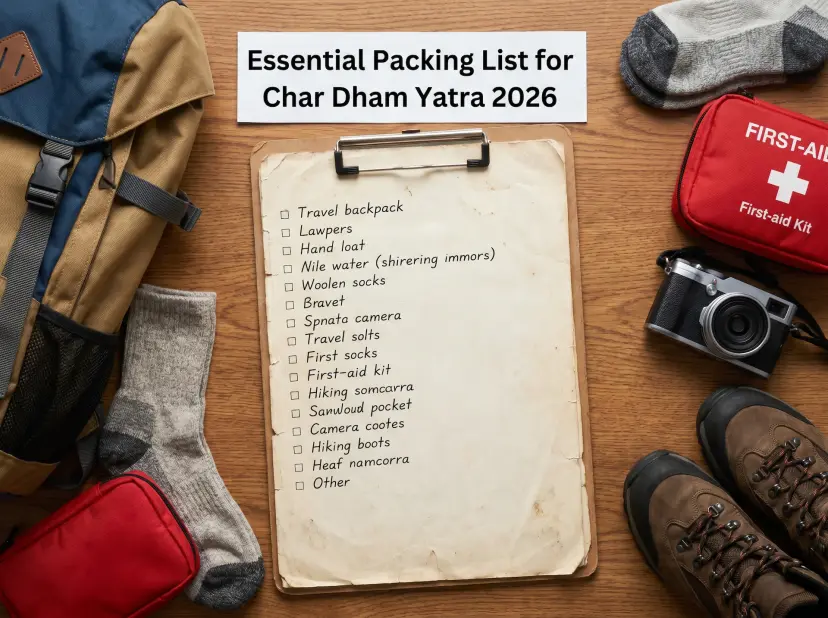
Packing for the Char Dham Yatra means finding the right balance between staying warm in the Himalayas and keeping your bag light enough to trek, ride, or fly with. Whether you're searching for a full packing list, a quick saman list, or just want to know what things to carry for Char Dham Yatra, this guide covers exactly what you need — organised by month, activity, and travel style, with a free downloadable checklist you can save or print.
Weather conditions can shift rapidly from sunshine to freezing winds or heavy rain, especially in Kedarnath and Yamunotri. Your packing should depend on:
The month of travel
Rain vs snow conditions
Trekking difficulty
Whether you are walking, using horses/palki/kandi, or flying by helicopter
A smartly packed backpack can make the yatra safer, easier, and far more comfortable.
Download the Char Dham Yatra packing list (PDF)
Prefer a printable version? Download the free Char Dham Yatra packing list PDF and save it to your phone or print it before you leave. No signal needed once you're in the mountains.
Quick essential packing checklist (saman list)
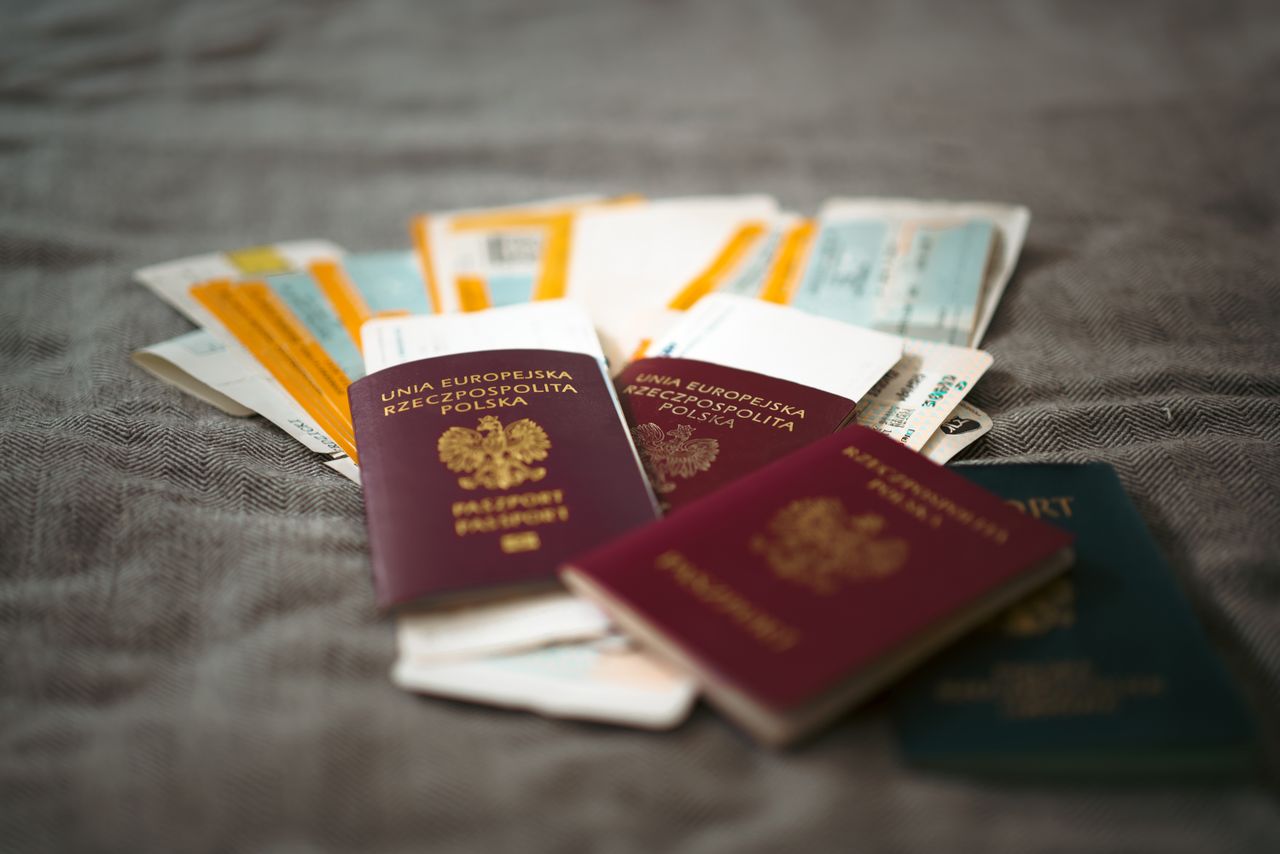
Documents
Char Dham Yatra registration slip
Aadhaar Card / Passport / Voter ID
Passport-size photographs
Hotel booking copies
Emergency contact details
Medical prescriptions
Physical photocopies of all important documents
Digital copies stored on your phone
Clothing
Heavy woolens
Thermal innerwear
Waterproof/windproof jacket
Rain poncho or raincoat
Fleece jacket
Woolen cap and muffler
Waterproof gloves
Quick-dry clothes
Extra woolen socks
Footwear
Sturdy trekking shoes with strong grip
Lightweight slippers/sandals for hotel stays
Waterproof shoe cover during monsoon
Health & safety
Personal medicines
High-altitude sickness tablets
Motion sickness medicine
Portable oxygen can
ORS and glucose packets
Basic first-aid kit
Pain relief spray
Antiseptic cream and bandages
Electronics
Fully charged power bank
Headlamp or torch
Extra batteries
Mobile charger
Waterproof phone pouch
1. Essential documents & ID
You will need official permits and ID verification throughout the journey.
Must carry
Char Dham Yatra Registration Pass
Aadhaar Card / Passport / Voter ID
Several passport-size photographs
Hotel and helicopter booking confirmations
Travel insurance copy (recommended)
Emergency contact list
Important tip
Network issues are common in upper Himalayan areas, so always carry physical copies of important documents.
2. Weather & month-wise packing guide
The month you choose for Char Dham Yatra completely changes what you should pack.
April to early June (cold but pleasant)
Weather conditions: cold mornings and nights, comfortable daytime temperatures, snow possible near Kedarnath and Badrinath.
Pack extra: Thermal wear, woolen gloves, heavy jacket, woolen socks, moisturizer and lip balm.
Mid June to August (heavy monsoon season)
This is the rainiest and most difficult season. Expect continuous heavy rain, slippery trekking routes, muddy trails, landslides and delays.
Must carry: High-quality rain poncho, waterproof backpack cover, waterproof trekking shoes, quick-dry clothing, extra socks, plastic zip-lock bags for electronics.
Important tip: Avoid cotton clothes during monsoon because they remain wet for long periods and increase cold exposure.
September to October (best time for yatra)
Usually considered the best season for Char Dham travel. Weather conditions: clear skies, less rainfall, comfortable trekking weather, cold nights.
Recommended packing: Layered clothing, medium-heavy woolens, windproof jacket, trekking gloves.
Late October to November (extreme cold & snowfall)
Temperatures become severe, especially in Kedarnath and Badrinath.
Essential winter gear: Down jacket, heavy thermal layers, waterproof snow-ready shoes, thick woolen socks, woolen caps and mufflers.
Important: Morning darshan during this period can feel close to freezing conditions.
3. Clothing & footwear (layering is key)
Temperatures fluctuate rapidly in the Himalayas, so layering helps you stay warm without carrying excessive luggage.
Base layers: 2–3 sets of thermal innerwear, quick-dry T-shirts, lightweight trekking pants.
Mid layers: Fleece jackets, heavy sweaters, woolen mufflers/caps.
Outer layer: Waterproof windproof jacket, down jacket during colder months.
Rain gear: Durable rain poncho, waterproof raincoat and pants, waterproof backpack cover.
Accessories: 3–4 pairs of woolen socks, waterproof gloves, ear warmers or monkey cap, sunglasses for snow glare.
Footwear: Carry sturdy, well-worn trekking shoes with excellent grip.
Avoid: Brand-new shoes, fashion sneakers, flat-soled footwear.
Blisters during Kedarnath or Yamunotri treks can make the journey extremely difficult.
4. Health & first-aid
Remote mountain regions have limited medical shops and clinics, so carry a proper medical kit.
Personal medicines: Carry extra supplies of daily prescription medicines, BP/diabetes medicines, inhalers if needed.
Altitude & motion sickness: Consult a doctor before travel and carry high-altitude sickness tablets, motion sickness medicine, and anti-nausea tablets.
First-aid essentials: Pain relief spray (Volini/Moov), band-aids, cotton, antiseptic cream, crepe bandage, muscle pain gel.
Energy boosters: Keep quick-energy snacks during treks — ORS, glucose packets, dry fruits, energy bars, chocolates.
Breathing support: Portable oxygen cans are highly recommended for senior citizens, Kedarnath trekkers, and pilgrims with breathing issues.
5. Electronics & utilities
Electricity and charging points may be limited in remote mountain areas.
Essential gadgets: Power bank, torch/headlamp, extra batteries, mobile charger, universal charging cable.
Important: Cold weather drains phone batteries much faster than usual.
Useful extras: Waterproof phone pouch, small extension board, smartwatch/fitness tracker, offline maps downloaded in advance.
6. Food & hydration
Trekking at altitude drains energy quickly.
Recommended snacks: Dry fruits, energy bars, chocolates, protein snacks, glucose biscuits.
Hydration essentials: Reusable water bottle, electrolyte sachets, ORS packets.
Important tip: Drink water regularly even if you do not feel thirsty.
7. Toiletries & personal care
Mountain air is dry, cold, and harsh on the skin.
Carry: Wet wipes, hand sanitizer, lip balm, moisturizer, sunscreen, tissue paper, toothbrush and toothpaste, soap strips.
8. If you are trekking the full route
This applies especially for Kedarnath and Yamunotri trekkers.
You should carry: Lightweight backpack, trekking pole/walking stick, knee support, extra socks, energy snacks, rain protection, portable oxygen can.
Important: Keep your backpack lightweight because steep uphill climbs become exhausting very quickly.
Best backpack size: 40–50L trekking backpack.
9. If you are using pony, palki, kandi, or porter services
Many pilgrims use horses/ponies, palki, kandi, or porters, especially during the Kedarnath and Yamunotri routes.
You can carry slightly more: Extra woolens, additional clothing, larger medical kit, more snacks and water.
Still avoid: Hard suitcases, oversized luggage, unnecessary electronics.
Important: Keep valuables, medicines, and documents with you personally at all times.
10. If you are flying by helicopter
Helicopter pilgrims should pack very differently. Most helicopter travelers stay for only a short duration near the shrine, so heavy packing is unnecessary.
Carry only essentials: One warm jacket, thermal innerwear, gloves and woolen cap, power bank, basic medicines, yatra documents, light snacks, sunglasses.
Keep luggage extremely light: Helicopter operators often enforce strict baggage weight limits.
Recommended bag size: 20–30L lightweight backpack.
Avoid carrying: Excess clothing, heavy cameras, multiple shoes, large suitcases.
11. Important local advice & tips
No phones inside Kedarnath temple: Mobile phones are strictly prohibited inside the temple premises.
Cash is extremely important: ATMs are limited and often empty in upper regions. Carry enough cash for pony rides, palki services, food stalls, donations, and emergency expenses.
Start treks early morning: Morning weather is usually safer, clearer, and less crowded. Afternoon rain is common during monsoon months.
Weather changes quickly: Sunny mornings can suddenly become rainy, foggy, windy, or extremely cold. Always keep rain gear, warm layers, and waterproof covers easily accessible in your backpack.
12. Final smart packing tips
Pack light: Heavy luggage becomes difficult to manage in mountain terrain.
Use backpacks instead of suitcases: Rucksacks are easier when using horses, porters, shared transport, or steep walking routes.
Waterproof important items: Store documents, electronics, and medicines inside zip-lock bags or waterproof pouches.
Avoid carrying: Expensive jewelry, too many clothes, disposable plastic waste, unnecessary gadgets, brand-new trekking shoes.
Final advice
Whether you call it a packing list, a saman list, or a things-to-carry checklist, the goal is the same. The perfect Char Dham Yatra backpack should be warm but lightweight, waterproof but comfortable, and minimal but practical.
Your packing strategy should always depend on the month of travel, weather conditions, trek difficulty, your age and health, and whether you are trekking, using palki/pony services, or flying by helicopter.
Careful packing makes the Char Dham Yatra safer, smoother, and far more comfortable.
Frequently asked questions
Char Dham Yatra mein kya saman chahiye?
What is the ideal bag or backpack size for Char Dham Yatra?
Is there a downloadable PDF packing list for Char Dham Yatra?
What should I avoid packing for Char Dham Yatra?
How does the packing list change month to month?
About the author
Amit Aswal
Amit Aswal writes TravelBudie, drawing on years working in travel and hospitality and on trips he plans and takes himself. Destination guides and itineraries are based on firsthand travel. Visa, entry and regulatory guides are researched against official government sources and re-verified on a published schedule, and each one shows the date it was last checked.
Stay in the loop
Enjoy our travel stories? Add Travelbudie as a preferred source on Google.
You'll see more of our guides and tips when you search for travel inspiration.
Add as a preferred source on GoogleYour trip, your way
Ready to turn inspiration into an itinerary?
Tell us your dates, budget, and travel style — our team will craft a personalised trip plan built around what matters to you.
Your trip, your way
Ready to turn inspiration into an itinerary?
Tell us your dates, budget, and travel style — our team will craft a personalised trip plan built around what matters to you.
Travel inspiration
Get guides & deals in your inbox
Destination tips, seasonal itineraries, and exclusive offers — no spam, unsubscribe anytime.