Valley of Flowers Travel Guide 2026 – Complete Guide for First‑Time Visitors
The Valley of Flowers is one of the most scenic and rewarding Himalayan destinations in India. Located in Uttarakhand, this UNESCO World Heritage Site is known for its vibrant alpine meadows, rare Himalayan flowers, and peaceful trekking trails.
Every year, thousands of travelers search for reliable information on the Valley of Flowers before planning their trip. This guide is designed to answer the most common questions travelers have — from the best time to visit and how to reach, to safety tips and nearby attractions — so you can plan with clarity and confidence.
If you are looking for a detailed day‑by‑day itinerary and booking options, you can explore our dedicated Valley of Flowers trek page after reading this guide.
Where Is the Valley of Flowers Located?
The Valley of Flowers National Park is located in the Chamoli district of Uttarakhand, within the Nanda Devi Biosphere Reserve. The trek begins from Govindghat, a small town near Joshimath, and Ghangaria serves as the base village for both the Valley of Flowers and Hemkund Sahib.
Its remote Himalayan location is one of the main reasons the valley has remained untouched and ecologically rich.
Why Is the Valley of Flowers So Popular?
The Valley of Flowers is famous for its unique combination of natural beauty and biodiversity. During the monsoon season, the entire valley blooms with hundreds of species of wildflowers that are found only in the Himalayan region.
Key reasons travelers visit the Valley of Flowers include:
- Seasonal bloom of rare alpine flowers
- Peaceful trekking routes suitable for beginners
- Snow‑covered Himalayan peaks and waterfalls
- UNESCO World Heritage Site status
This makes it one of the most photographed trekking destinations in India.
Best Time to Visit Valley of Flowers
The Valley of Flowers remains open to visitors from June to September, depending on weather conditions.
- June: Lush greenery, fewer flowers, ideal for quiet treks
- July to August: Peak flowering season and best overall experience
- September: Clear skies and mountain views with fewer blooms
Most travelers consider mid‑July to mid‑August the best time to see the valley in full bloom.
How to Reach Valley of Flowers
Reaching the Valley of Flowers involves a combination of road travel and trekking.
- Nearest Airport: Jolly Grant Airport, Dehradun
- Nearest Railway Station: Haridwar or Rishikesh
- Road Route: Rishikesh / Haridwar → Joshimath → Govindghat
From Govindghat, a 13 km trek leads to Ghangaria, followed by a short trek to the Valley of Flowers.
Valley of Flowers Trek Overview
- Trek Duration: 4 to 6 days
- Difficulty Level: Easy to Moderate
- Maximum Altitude: Around 14,100 ft
- Starting Point: Govindghat
The trail is well‑defined and suitable for first‑time Himalayan trekkers with basic fitness.
Valley of Flowers and Hemkund Sahib
Many travelers combine the Valley of Flowers trek with a visit to Hemkund Sahib, one of the highest Sikh pilgrimage sites in the world. Situated at an altitude of around 15,200 ft, Hemkund Sahib features a glacial lake surrounded by snow‑clad peaks.
Visiting both destinations offers a balanced experience of nature and spirituality.
What to Pack for Valley of Flowers Trek
Packing correctly is essential due to frequent rainfall during the trekking season.
- Waterproof trekking shoes
- Rain jacket or poncho
- Warm layers and quick‑dry clothing
- Trekking pole for stability
- Sunscreen, sunglasses, and cap
- Personal medicines and basic first‑aid kit
Entry Fees and Permits
All visitors must obtain a forest entry permit to enter the Valley of Flowers National Park. The permit is issued near the entrance gate and requires a valid government ID.
Is the Valley of Flowers Trek Safe?
Yes, the Valley of Flowers trek is considered safe during the official open season. However, travelers should keep the following points in mind:
- Weather can change quickly in the Himalayas
- Trails may become slippery during rainfall
- Proper acclimatization is important, especially if visiting Hemkund Sahib
Hiring a local guide or booking through a trusted tour operator adds an extra layer of safety.
Nearby Places to Visit
If you have additional time, consider visiting:
- Badrinath Temple – One of the Char Dham pilgrimage sites
- Mana Village – Known as the last Indian village near the Tibet border
- Joshimath – A major pilgrimage and transit town
Frequently Asked Questions About Valley of Flowers
Is the Valley of Flowers suitable for beginners?
Yes, the trek is ideal for beginners with basic physical fitness.
How many days are required for the Valley of Flowers trek?
Most travelers complete the trek in 4 to 6 days.
Do I need a guide for the Valley of Flowers?
While it is not mandatory, hiring a guide is recommended for safety and better understanding of the region.
Plan Your Valley of Flowers Trek
This guide is created to help travelers make informed decisions about visiting the Valley of Flowers. For a complete itinerary, pricing details, inclusions, and booking options, explore our dedicated Valley of Flowers Trek itinerary page and plan your Himalayan journey with confidence.

Chardham Yatra Guide 2026 – Complete Travel Plan
The Chardham Yatra is one of the most sacred pilgrimages in Hinduism, nestled in the breathtaking Garhwal Himalayas of Uttarakhand. The word "Char" means four, and "Dham" means divine abode, together referring to the four holy temples that form this spiritual circuit.
These four sacred shrines—Yamunotri, Gangotri, Kedarnath, and Badrinath—are believed to be the dwelling places of gods and goddesses. Each temple is dedicated to a specific deity and holds immense religious significance in Hindu mythology and scriptures.
Located at high altitudes ranging from 3,000 to 3,583 meters above sea level, these temples open their doors to devotees only during the summer months, typically from April/May to October/November. The journey through these divine destinations takes pilgrims through some of the most stunning landscapes in the Indian Himalayas, combining spiritual awakening with natural beauty.
The Chardham circuit has been a pilgrimage route for thousands of years, mentioned in ancient Hindu texts and revered by saints and sages throughout history.
Today, hundreds of thousands of devotees undertake this journey each year, seeking blessings, spiritual purification, and moksha (salvation).
Why the Chardham Yatra is Important?
The Chardham Yatra holds profound spiritual significance in Hindu dharma and is considered one of the most meritorious pilgrimages a devotee can undertake in their lifetime.
Spiritual Purification and Moksha
According to Hindu beliefs, completing the Chardham Yatra washes away all sins accumulated over lifetimes and helps devotees attain moksha—liberation from the cycle of birth and death. The journey is seen as a path to spiritual enlightenment, where pilgrims can connect deeply with the divine in the serene Himalayan environment.
Connection with the Divine
Each of the four dhams represents a different aspect of divinity—Yamunotri honours Goddess Yamuna, Gangotri venerates Goddess Ganga, Kedarnath is dedicated to Lord Shiva, and Badrinath to Lord Vishnu. By visiting all four temples, devotees seek the blessings of these powerful deities, believing it brings prosperity, peace, and spiritual growth to their lives.
Penance and Self-Discovery
The challenging terrain and high altitudes of the Chardham route make this pilgrimage a test of physical endurance and mental strength. Many devotees view the hardships encountered during the journey as a form of penance (tapasya) that purifies the soul. The difficulties faced—whether trekking steep paths, enduring harsh weather, or managing altitude sickness—are seen as opportunities for self-reflection and spiritual transformation.
Fulfilling Religious Duty
For devout Hindus, undertaking the Chardham Yatra at least once in their lifetime is considered a sacred duty. It's believed that completing this pilgrimage fulfils one's religious obligations and brings the devotee closer to the ultimate goal of Hindu life—union with the divine.
Cultural and Historical Legacy
The Chardham Yatra is deeply rooted in Indian culture and history. The temples have stood for centuries, witnessing the devotion of countless pilgrims. By participating in this yatra, modern devotees become part of this timeless tradition, connecting with their ancestors and preserving an important cultural heritage.
Whether you seek spiritual awakening, wish to do a vow, or simply want to experience the divine presence in the Himalayas, the Chardham Yatra offers a transformative journey that touches the heart, mind, and soul.
The Four Sacred Dhams – Overview
The Chardham circuit comprises four holy temples, each with its unique significance, mythology, and charm. Understanding each dham helps pilgrims prepare mentally and spiritually for their journey.
1. Yamunotri – The First Dham
Location & Altitude: Yamunotri is located in the Uttarkashi district at an altitude of 3,293 meters (10,804 feet) above sea level.
Deity: The temple is dedicated to Goddess Yamuna, the daughter of the Sun God (Surya) and sister of Yama, the God of Death. According to Hindu belief, bathing in the sacred waters of the Yamuna River absolves devotees of the fear of painful death.
How to Reach: The nearest motorable point is Janki Chatti, from where pilgrims must trek approximately 6 kilometres to reach the temple. The trek takes about 3-4 hours, depending on your fitness level. Alternative options include hiring ponies, palanquins (dolis), or porters.
Key Attractions:
- Surya Kund: A hot water spring near the temple where pilgrims cook rice and potatoes tied in cloth as offerings to the goddess
- Divya Shila: A rock pillar worshipped before entering the main temple
- Yamunotri Temple: Built by Maharaja Pratap Shah of Tehri Garhwal, featuring beautiful architecture
Best Time to Visit: May to June and September to October when weather conditions are favorable and the trek is manageable.
Temple Timings: Generally opens around 6:00 AM and closes by 8:00 PM, with a break in the afternoon.
Spiritual Significance: Yamunotri marks the beginning of the Chardham circuit. The temple's location at the source of the Yamuna River makes it especially sacred. Pilgrims believe that visiting Yamunotri first sets the right spiritual tone for the entire journey.
2. Gangotri – The Second Dham
Location & Altitude: Situated in the Uttarkashi district at an elevation of 3,100 meters (10,170 feet), Gangotri is surrounded by stunning Himalayan peaks.
Deity: The temple is dedicated to Goddess Ganga, who descended from heaven to earth according to Hindu mythology. King Bhagirath performed intense penance to bring the celestial river to earth to liberate his ancestors' souls.
How to Reach: Gangotri is accessible by road, making it one of the more easily reachable dhams. The temple is located about 100 kilometres from Uttarkashi and can be reached directly by taxi or bus. Chardham Yatra by Helicopter services are also available.
Key Attractions:
- Gangotri Temple: A beautiful white structure built in the 18th century by Gorkha General Amar Singh Thapa
- Bhagirath Shila: The sacred rock where King Bhagirath meditated
- Gaumukh Glacier: Located 19 km from Gangotri, this is the actual source of the Ganga River (requires a separate trek)
- Pandava Gufa: Caves where the Pandavas from the Mahabharata are believed to have meditated
Best Time to Visit: May to June and September to mid-October offer the best weather conditions.
Temple Timings: Opens around 6:15 AM and closes by 7:00 PM with an afternoon break.
Spiritual Significance: The Ganga is considered the most sacred river in Hinduism. Taking a holy dip in the icy waters of the Bhagirathi River at Gangotri is believed to cleanse all sins and purify the soul. The temple's serene environment and the sound of rushing waters create a deeply meditative atmosphere.
3. Kedarnath – The Third Dham
Location & Altitude: Kedarnath temple stands at 3,583 meters (11,755 feet) in the Rudraprayag district, making it one of the highest among the Chardham temples.
Deity: Kedarnath is dedicated to Lord Shiva and is one of the twelve Jyotirlingas (divine representations of Shiva). According to legend, Lord Shiva took refuge here in the form of a bull to avoid the Pandavas after the Kurukshetra war.
How to Reach: The journey to Kedarnath is the most challenging of all four dhams. From Gaurikund (the last motorable point), pilgrims must trek 16 kilometres uphill, which typically takes 6-8 hours.
Options include:
- Trekking on foot: The most common and used option
- Ponies: Available for hire from Gaurikund
- Palanquins (Dolis): Carried by porters
- Helicopter services: Available from Dehradun, Phata, Sersi, and Guptkashi for those who prefer aerial travel.
Key Attractions:
- Kedarnath Temple: An ancient stone structure believed to be over 1,200 years old, rebuilt by Adi Shankaracharya
- Bhairav Temple: Located uphill from the main temple; visiting here is considered mandatory for complete darshan
- Gandhi Sarovar: A pristine lake located 3 km from the temple
- Vasuki Tal: A high-altitude lake at 4,150 meters, accessible via an 8 km trek
Best Time to Visit: May to June and September to early November. The temple opens after Akshaya Tritiya and closes on Bhai Dooj or Yama Dwitiya.
Temple Timings: Opens around 4:00 AM for early morning aarti and closes by 9:00 PM, with breaks in between.
Spiritual Significance: Kedarnath holds immense significance as one of the holiest Shiva temples in India. The journey itself is considered a form of penance. The temple miraculously survived the devastating 2013 floods, which many devotees view as divine intervention, further enhancing its spiritual importance.
Note: Due to the high altitude and challenging trek, adequate physical preparation and acclimatization are essential for Kedarnath.
4. Badrinath – The Fourth Dham
Location & Altitude: Badrinath is located in the Chamoli district at 3,300 meters (10,827 feet), on the banks of the Alaknanda River, between the Nar and Narayan mountain ranges.
Deity: The temple is dedicated to Lord Vishnu in his aspect as Badrinarayan. According to legend, Lord Vishnu meditated here under a Badri tree (Indian jujube), with Goddess Lakshmi protecting him from harsh weather.
How to Reach: Badrinath is accessible by road and is the most convenient dham to visit. Regular buses and taxis operate from Rishikesh, Haridwar, and other towns. The well-maintained road makes it accessible for elderly pilgrims and families with children.
Key Attractions:
- Badrinath Temple: A stunning structure with a gold-gilded roof and ornate carvings, managed by Rawal (head priest) from Kerala
- Tapt Kund: Natural hot springs where pilgrims bathe before entering the temple
- Brahma Kapal: A platform for performing rituals for deceased ancestors
- Mana Village: The last Indian village before the Tibet border, just 3 km from Badrinath
- Vasudhara Falls: A spectacular waterfall 9 km from Badrinath
- Bheem Pul: A natural rock bridge believed to have been placed by Bhima from the Mahabharata
- Charanpaduka: A rock bearing Lord Vishnu's footprints, located 3 km from the temple
Best Time to Visit: April to November. The temple opens in late April/early May and closes in November during Diwali.
Temple Timings: Morning darshan from 4:30 AM, with breaks during the afternoon, and evening aarti around 7:00 PM.
Spiritual Significance: Badrinath is one of the four dhams in the larger Char Dham circuit (which includes Dwarka, Puri, and Rameswaram). It's believed that Lord Vishnu himself resides here, making it one of the holiest Vishnu temples in India. The temple's serene location, surrounded by snow-capped peaks, creates an atmosphere of profound peace and devotion.
Special Features: The temple houses a 1-meter-tall black stone idol of Lord Badrinarayan in a meditative pose. The idol is believed to be self-manifested (Swayambhu) and is one of eight Swayam Vyakta Kshetras (self-manifested Vishnu sites).
Completing darshan at Badrinath marks the successful conclusion of the Chardham Yatra, and pilgrims often feel a deep sense of accomplishment and spiritual journey.
Chardham Yatra by Helicopter
For pilgrims with time constraints, physical limitations, or those seeking a more comfortable journey, the helicopter tour offers an excellent alternative to the traditional road and trekking route. This premium option allows you to complete the entire Chardham circuit in just 5 nights and 6 days, compared to the 10-12 days required for the standard route.
Why Choose a Helicopter for Chardham?
- Time-Saving: Complete the entire circuit in less than a week
- Comfort: Avoid long drives on winding mountain roads and strenuous treks
- Accessibility: Ideal for senior citizens, those with health concerns, or families with children
- Aerial Views: Experience breathtaking panoramic views of the Himalayas
- Weather Protection: Reduced exposure to unpredictable mountain weather
- Convenience: Skip the challenging 16 km trek to Kedarnath
Chardham Helicopter Itinerary
- Day 1: Arrival in Dehradun
- Day 2: Dehradun to Yamunotri & Kharsali
- Day 3: Gangotri Darshan
- Day 4: Kedarnath Darshan
- Day 5: Badrinath Darshan
- Day 6: Return to Dehradun
Approximate Cost Range
- Budget Helicopter Package: ₹1,60,000 - ₹1,80,000 per person
- Standard Package: ₹1,80,000 - ₹2,20,000 per person
- Premium/Luxury Package: ₹2,20,000 - ₹2,80,000 per person
Prices vary based on season, operator, accommodation quality, and group size. Peak season (May-June) typically commands higher prices.
Helicopter Service Providers
Several authorised operators provide Chardham helicopter services:
- Pawan Hans
- Pinnacle Aviation
- Aryan Aviation
- Heritage Aviation
- Various private charter companies
Traditional pilgrims often feel that the Chardham journey by road and on foot is part of the spiritual penance and makes the Chardham Yatra complete. You can also do the Do Dham Yatra by Helicopter Tour Packages.
How to Plan Your Yatra?
Planning a successful Chardham Yatra requires careful preparation across multiple aspects—timing, route selection, travel arrangements, accommodation, and physical readiness. Here's a comprehensive guide to help you plan your pilgrimage effectively.
Best Time to Visit
Peak Season: May to June
This is the most popular time for the Chardham Yatra.
Advantages:
- All temples are freshly opened after the winter closure
- Pleasant daytime temperatures (15-20°C)
- Clear skies offering stunning mountain views
- All facilities are fully operational
- Maximum helicopter flights available
- Roads are in the best condition
Disadvantages:
- Extremely crowded at all temples
- Long waiting times for darshan (3-6 hours at Kedarnath)
- Higher accommodation costs
- Traffic congestion on mountain roads
Best for: First-time visitors, families with children, those who prefer well-organized
Shoulder Season: September to October
Post-monsoon period offering excellent conditions:
Advantages:
- Fewer crowds compared to peak season
- Pleasant weather with occasional rain
- Lush green landscapes after the monsoon
- Moderate accommodation prices
- Easier to find last-minute bookings
- More peaceful temple atmosphere
Disadvantages:
- Occasional rainfall and cloudiness
- Some landslide risks, though roads are generally cleared quickly
- Limited helicopter services on rainy days
- Slightly cooler temperatures, especially in October
- Some accommodations may start closing by late October
Best for: Experienced traveller, those seeking a quieter spiritual experience, photography enthusiasts
Early Season: April to Early May
Just after temple openings.
Advantages:
- Fresh snow-covered peaks
- Cool, crisp air
- Fewer pilgrims
- Lower prices
- Sense of renewal after winter
Disadvantages:
- Cold temperatures (5-15°C)
- Residual snow on some routes
- Limited accommodation options initially
- Some roads may still have snow patches
- Cold nights require warm clothing
Best for: Adventure seekers, those comfortable with cold weather, budget travelers.
Late Season: Late October to November
Before temple closures:
Advantages:
- Minimal crowds
- Peaceful darshan
- Clear autumn skies
- Lower prices
- Festive atmosphere around Diwali closures
Disadvantages:
- Very cold temperatures (0-10°C)
- Early snowfall possible
- Many facilities closing
- Limited accommodation
- Risk of sudden weather changes
- Some services unavailable
Best for: Experienced pilgrims, cold-weather enthusiasts, those seeking solitude.
Pro Planning Tips:
- Book 2-3 months ahead for May-June travel.
- Check the temple opening dates officially before booking.
- Have backup dates in case of weather issues.
- Monitor weather forecasts from 10 days before departure.
- Avoid weekends and national holidays during peak season.
Yatra Route Options
Choosing the right route for your Chardham Yatra depends on your starting point, available time, budget, and physical fitness. Here are the main route options:
Traditional Circuit Route (10-12 Days)
Starting Point: Haridwar or Rishikesh
Route Sequence:
Haridwar → Barkot (Yamunotri base) → Yamunotri → Uttarkashi (Gangotri base) → Gangotri → Guptkashi (Kedarnath base) → Kedarnath → Badrinath → Return to Haridwar/Rishikesh. This is used by most of the people.
Reverse Circuit (11-12 Days)
Some travelers prefer starting with Badrinath and ending with Yamunotri:
Route: Haridwar → Badrinath → Kedarnath → Gangotri → Yamunotri → Haridwar
Helicopter Circuit (5-6 Days)
Route: Dehradun → Kharsali (Yamunotri) → Harsil (Gangotri) → Kedarnath (direct) → Badrinath → Dehradun
Distance: Minimal road travel, mostly helicopter flights
Best for: Time-constrained pilgrims, senior citizens, those with health concerns, and luxury travelers.
Do Dham Options
If you can't complete all four temples:
Option 1: Kedarnath-Badrinath (2-3 days) Most popular combination covering both Shiva and Vishnu temples.
Option 2: Yamunotri-Gangotri (2-3 days) River source temples, less strenuous.
Option 3: Gangotri-Kedarnath (3-4 days) For Shiva devotees.

Things to Do in Kerala
Kerala is one of the most loved destinations in India. Located in South India, it is known for green hills, calm water, tasty food, rich culture, and peaceful life. People from all over the world come here to relax, explore nature, and enjoy slow travel.
If you are ready to start planning your trip, this listicle will help you discover the best activities to do in Kerala, explained in very simple language.
Houseboat in the Backwaters of Kerala
One of the most famous activities in Kerala is exploring the backwaters of Kerala. These are long canals, rivers, and lakes surrounded by coconut trees and small villages.
A houseboat stay lets you move slowly on the water while enjoying nature. You can see birds, village homes, fishermen, and green fields. Meals are cooked fresh and served hot on the boat.
This activity is calm, relaxing, and perfect for first-time visitors.
Walk Through Tea Plantations in Munnar
Munnar is a beautiful hill station and one of the highlights of South India. The green tea plantations in Munnar cover the hills as far as the eyes can see.
You can walk through the tea gardens, talk to local workers, and enjoy cool mountain air. Many visitors also like to visit the tea estates early in the morning when the mist covers the hills.
This activity is peaceful and great for photography.
Explore the Tea Museum
The Tea Museum in Munnar is a great place to learn how tea became famous in Kerala. You can see old machines, photos, and videos showing how tea leaves are processed.
At the end of the visit, you can enjoy fresh tea with a beautiful view. Even kids enjoy this place because everything is explained in a simple way.
This is one of the best educational and fun activities in Kerala.
Relax on Beaches
Kerala has many clean and calm beaches where you can relax without noise or crowds.
Popular beach activities include:
- Watching sunsets
- Walking on soft sand
- Sitting quietly near the sea
- Practicing yoga by the beach
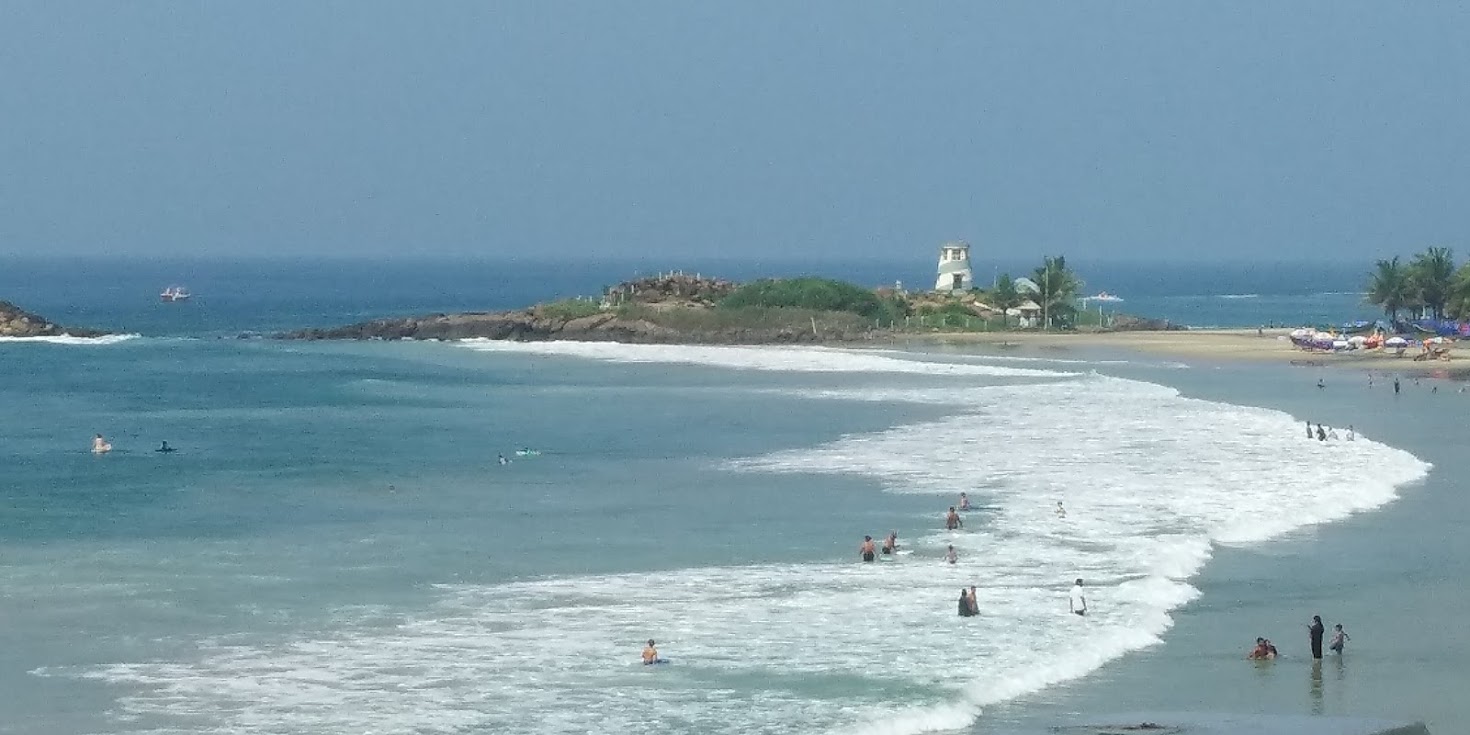
Varkala, Kovalam, and Marari are some beaches known for their peaceful vibe. These beaches are perfect for people who want rest instead of party scenes.
Eat a Traditional Meal on a Banana Leaf
Eating food on a banana leaf is a special activity in Kerala. The traditional meal is called Sadya and includes rice, vegetables, pickles, curries, and dessert.
The food is served in a fixed order and eaten with hands. This experience helps you understand Kerala culture and food habits.
It is simple, healthy, and very tasty.
Watch a Kathakali Dance Performance
Kathakali is a traditional dance form of Kerala. Dancers wear bright makeup, colorful clothes, and tell stories using face expressions and hand movements.
Even if you don’t understand the language, the performance is fun to watch. The makeup process itself is very interesting.
This is a must-try cultural activity when visiting South India.
Enjoy Ayurvedic Massage and Wellness
Kerala is world-famous for Ayurveda. This ancient healing system uses natural oils and herbs to relax the body and mind.
Popular wellness activities include:
- Full body massage
- Herbal therapy
- Yoga and meditation
Many people visit Kerala only for wellness. The calm environment makes the experience even better.
Go Wildlife Spotting in Forest Areas 🐘
Kerala has many forests and wildlife reserves. These places are full of trees, birds, and animals.
Common wildlife activities:
- Boat safari
- Nature walks
- Bird watching
You may see elephants, deer, monkeys, and many types of birds. These activities are safe and enjoyable for families and children.
Explore Spice Gardens and Farms
Kerala is known as the land of spices. You can visit spice gardens to see how cardamom, pepper, cinnamon, and cloves are grown.
Guides explain everything in a simple way. You can touch plants, smell spices, and learn how they are used in cooking and medicine.
This activity is both fun and educational.
Try Kayaking and Canoeing
Kayaking through small canals is a peaceful activity in Kerala. Unlike big houseboats, kayaks move quietly and let you go deep into village areas.
You can paddle through narrow waterways, see birds close by, and enjoy nature at your own speed.
This activity is perfect for people who like soft adventure.
Visit Waterfalls and Natural Viewpoints
Kerala has many waterfalls hidden inside forests and hills. Reaching them often involves short walks through nature.
People enjoy:
- Standing near falling water
- Taking photos
- Cooling off in natural pools
These places are fresh, green, and perfect during warm days.
Explore Local Markets and Streets
Walking through local markets is a great way to understand daily life in Kerala.
You can find:
- Spices
- Handmade items
- Local snacks
- Souvenirs
Markets are colorful and lively, and shopkeepers are friendly.
Stay in Eco Resorts and Homestays
Living in eco-friendly stays or local homes is a popular activity in Kerala. Homestays let you experience real Kerala life.
Hosts cook local food, share stories, and help you learn about traditions. This is a slow and meaningful way to travel.
Enjoy Festivals and Temple Events
Kerala festivals are full of color, music, and joy. Some festivals include decorated elephants, drums, and lamps.
Watching these events helps you understand local beliefs and celebrations. Even as a visitor, you are welcomed warmly.
Watch Village Life Closely
One of the simplest but best activities in Kerala is doing nothing fast. Walking through villages, watching people work, and enjoying quiet moments is deeply relaxing.
This slow experience is what makes Kerala special among destinations in India.
Why Kerala Is One of the Best Destinations in India 🌍
Kerala offers:
- Nature and peace
- Culture and tradition
- Healthy food
- Friendly people
From the tea plantations in Munnar to the backwaters of Kerala, from food on a banana leaf to calm beaches, every activity feels natural and meaningful.
Final Thoughts
Kerala is not about rushing from place to place. It is about slowing down and enjoying simple moments. Whether you visit the tea gardens, relax in backwaters, or enjoy wellness therapies, Kerala gives you peace and happiness.
If you are thinking about traveling to South India, now is the perfect time to start planning your Kerala journey explore our kerala package Kerala Tour Packages

Best Places to Visit in 2026: Trending Travel Destinations in India & Abroad
Trending Travel Destinations for 2026
This 2026 travel list is not about ticking countries off a map. It focuses on destinations where days have texture, routines feel different, and travel slows you down rather than rushing you through highlights. Each place on this list stands out for a clear reason—whether shaped by food, geography, history, or everyday local life.

Jorhat, India
Jorhat is our entry point into Assam, and a slower rhythm of travel. Days here revolve around tea estates, riverbanks, and unplanned conversations. You can walk through working tea gardens, learn how leaves are processed, and drink tea where it is grown rather than packaged.
A visit to Majuli Island, one of the world’s largest river islands, adds monasteries, mask-making traditions, and wide open river views. Evenings are best kept simple with local Assamese meals and quiet walks.
Why visit Jorhat ?
Since last year, Jorhat has been drawing attention as travellers look beyond crowded hill stations and toward places where daily life still shapes the travel experience.
Daily life in Jorhat is closely tied to tea, rivers, and seasonal rhythms. Small towns, roadside tea stalls, and local markets offer a glimpse into Assamese routines that feel unhurried and deeply rooted. Unlike fast-paced tourist hubs, Jorhat rewards travellers who prefer observation over itineraries and conversations over checklists.
Jaffna, Sri Lanka
Jaffna offers a side of Sri Lanka that feels deeply regional and shaped by history. It is a place to listen, observe, and enjoy excellent food.
You can explore Hindu temples, cycle through surrounding villages, and take day trips to nearby islands like Delft. Food is a major reason to come here, especially crab curry, dosas, and street snacks unique to the north. Time spent talking to locals adds important context to the region’s post-war identity.

Muscat, Oman
Muscat feels calm, spacious, and rooted in tradition. It balances natural landscapes with a strong sense of cultural continuity.
You can explore the Sultan Qaboos Grand Mosque, walk through Mutrah Souq, and spend evenings by the sea. Day trips into the desert or the mountains offer dramatic scenery without heavy crowds. Beaches here are quiet, clean, and often uncrowded, making rest as much a part of the plan as sightseeing.

Queenstown, New Zealand
Queenstown earns its place for outdoor days that feel earned rather than staged. Nature dictates the pace here.
You can hike around Lake Wakatipu, take longer treks into nearby national parks, or simply spend days moving between trails, lakes, and small towns. Cold-water swims, early mornings, and tired evenings define the experience more than attractions. It is a destination built around being outside rather than being entertained.
Chiang Rai, Thailand
Chiang Rai is chosen over busier Thai cities for its quietness and regional character.
You can visit lesser-known temples, including the White Temple and surrounding local sites, that do not feel rushed. Northern Thai food, especially soups and grilled dishes, is reason enough to linger. Day trips into hill country villages and time spent in small cafés help slow the days into something more intentional.

Varanasi, India
Varanasi is intense, spiritual, and unforgettable. It demands presence.
You can watch sunrise rituals along the Ganges, attend evening aarti ceremonies, and walk the old city lanes where life unfolds without pause. Boat rides at dawn offer perspective, while time spent sitting and observing often becomes the most meaningful activity. This is a place where doing less leads to a deeper experience.

Manila, Philippines
Manila is layered, loud, and full of contrast. It rewards curiosity and patience.
You can explore street food scenes, local markets, and neighbourhoods shaped by colonial and modern history. Museums and old districts like Intramuros offer context, while nearby day trips to beaches or islands create balance. Nights are social, chaotic, and best experienced without a strict plan.

Tbilisi, Georgia
Tbilisi blends old-world architecture with modern creative energy. It feels lived-in rather than curated.
You can walk through the old town, soak in sulfur baths, and spend evenings in wine bars that showcase Georgia’s ancient winemaking traditions. Day trips into the countryside or nearby mountains add variety, but the city itself is best enjoyed slowly, on foot, with long meals and no fixed schedule.
Ho Chi Minh City, Vietnam
Ho Chi Minh City thrives on motion. It is energetic without being overwhelming if you lean into its rhythm.
You can explore markets, drink strong coffee in small shops, and eat at sidewalk stalls and family-run restaurants. Motorbike traffic becomes part of the scenery rather than an obstacle. Museums and historical sites add depth, but everyday street life is the real draw.
Port Louis, Mauritius
Port Louis closes the list with a sense of ease. It is urban enough to stay interesting and coastal enough to slow things down.
You can wander central markets, explore waterfront areas, and use the city as a base for beach days and inland hikes. Food reflects the island’s mix of cultures, and afternoons naturally stretch longer here. It feels like a place to pause and reflect on the journey rather than rush onward.
Plan your Travel with TravelBudie
Select your favourite place from our travel list, and TravelBudie will create an itinerary for you. In 2026, explore vibrant cultures, try thrilling adventures, and create experiences you’ll remember for years. Our itineraries are designed to immerse you in each destination.

Unforgettable Experiences in Kerala Travel Packages
When you think of a perfect holiday, what comes to mind? Is it a peaceful escape amidst the lush greens, or perhaps an adventure that takes you to breathtaking landscapes? Kerala, known as "God's Own Country," offers all this and more. With its unique blend of culture, natural beauty, and vibrant traditions, Kerala is a destination that promises unforgettable experiences. In this article, we'll explore the highlights of Kerala travel packages and why they should be at the top of your holiday list.
Why Choose Kerala for Your Next Holiday?
Kerala holiday packages offer a diverse range of experiences that cater to every traveler's taste. Whether you're seeking relaxation, adventure, or cultural immersion, Kerala has something for everyone. Let's delve into what makes Kerala a must-visit destination.
Diverse Travel Experiences
Kerala is a state that promises a myriad of experiences, each more enchanting than the last. Whether you are a solo traveler, a couple, or a family, the state offers customized travel packages that cater to all kinds of interests. From the lush landscapes of the Western Ghats to the bustling streets of Kochi, each corner of Kerala has its own unique charm. You can choose from wildlife safaris, cultural tours, and wellness retreats, all seamlessly woven into the fabric of Kerala's hospitality.
Accessibility and Hospitality
Traveling to Kerala is easier than ever, thanks to its well-connected network of roads, railways, and airports. Major cities like Kochi, Trivandrum, and Calicut are equipped with international airports that welcome visitors from around the world. Once you arrive, you'll be greeted by the warmth and hospitality of the Keralite people, who are known for their friendliness and helpful nature. The state's tourism infrastructure ensures that you have a comfortable and enjoyable stay, with a range of accommodations to suit all budgets.
Sustainable Tourism Initiatives
Kerala is at the forefront of sustainable tourism, making it an ideal destination for eco-conscious travelers. The state government has implemented numerous initiatives to preserve its natural beauty and cultural heritage. Many travel packages include eco-friendly accommodations and activities that minimize environmental impact. From participating in community-based tourism projects to staying in eco-resorts, you can enjoy your holiday while contributing to the preservation of this beautiful land.
The Enchanting Backwaters
One of the most iconic experiences in Kerala is cruising through its serene backwaters. The backwaters are a network of interconnected canals, rivers, and lakes, offering a tranquil escape from the hustle and bustle of city life. Imagine gliding on a traditional houseboat, surrounded by lush greenery and the gentle sounds of water lapping against the boat. This is an experience that captures the essence of Kerala's natural beauty.
Houseboat Journeys
Embarking on a houseboat journey through Kerala's backwaters is like stepping into another world. These traditional kettuvallams are beautifully crafted and equipped with modern amenities to ensure a comfortable stay. As you drift along the waterways, you'll witness the daily life of local communities, from fishermen casting their nets to farmers tending to lush paddy fields. The serene pace of life on the backwaters is a refreshing contrast to the fast-paced world, allowing you to truly unwind.
Scenic Villages and Local Life
The backwaters are dotted with quaint villages that offer a glimpse into the authentic rural life of Kerala. Many Kerala travel packages include visits to these villages, where you can interact with the locals, learn about their way of life, and even participate in traditional activities. From coir-making workshops to toddy tapping demonstrations, these experiences offer a deeper understanding of Kerala's rich cultural heritage. The hospitality of the villagers is heartwarming, making these interactions truly memorable.
Biodiversity and Bird Watching
Kerala's backwaters are not only a haven for humans but also for a diverse array of flora and fauna. The lush vegetation and tranquil waters create a perfect habitat for a variety of bird species, making it a paradise for bird watchers. As you glide along the waterways, keep your eyes peeled for kingfishers, herons, and cormorants. Many houseboat operators provide binoculars and field guides, allowing you to identify the birds and learn more about the region's biodiversity. It's an experience that adds an educational dimension to your leisurely cruise.
Rich Cultural Heritage
Kerala is a land of rich traditions and vibrant culture. From classical dance forms like Kathakali and Mohiniyattam to traditional martial arts like Kalaripayattu, Kerala's cultural tapestry is fascinating. When you book a Kerala package, be sure to include a visit to cultural performances and festivals that showcase the state's artistic heritage. These experiences provide a glimpse into the soul of Kerala and its people.
Traditional Art Forms
The traditional art forms of Kerala are a feast for the senses, offering a vivid portrayal of the state's cultural heritage. Kathakali, with its elaborate costumes and expressive gestures, tells stories from Indian epics, while Mohiniyattam, known for its graceful movements, embodies feminine beauty. Many cultural centers across Kerala offer performances, workshops, and interactive sessions, allowing you to delve deeper into these ancient art forms. Attending a performance is a must-do, as it provides a window into the soul of Kerala's artistic heritage.
Festivals and Celebrations
Kerala's calendar is dotted with vibrant festivals that celebrate its rich cultural diversity. Onam, the harvest festival, is a grand affair characterized by elaborate feasts, traditional games, and the famous snake boat races. The Thrissur Pooram is another spectacle, with its majestic elephant processions and dazzling fireworks. Participating in these festivals is a unique way to immerse yourself in the local culture and witness the joy and fervor with which Keralites celebrate their traditions. The sense of community and togetherness is palpable, making these events truly unforgettable.
Historical Landmarks and Museums
Kerala's history is as rich as its culture, and the state is home to numerous historical landmarks and museums. From the ancient port city of Muziris to the colonial architecture of Fort Kochi, each site offers insights into the region's past. Many Kerala travel packages include guided tours of these landmarks, where expert guides share fascinating stories and anecdotes. Museums like the Napier Museum and the Hill Palace Museum house artifacts that tell the story of Kerala's evolution, from its ancient trade routes to its colonial legacy.
Exploring Kerala's Natural Wonders
Kerala's diverse landscapes are a testament to its natural beauty. From misty mountains to golden beaches, the state offers a variety of environments to explore.
Munnar: The Land of Tea Gardens
Nestled in the Western Ghats, Munnar is a paradise for nature lovers. Famous for its sprawling tea gardens, rolling hills, and cool climate, Munnar is a popular destination in many holiday packages for Kerala. Take a leisurely stroll through the tea plantations, visit the tea museum, and breathe in the refreshing mountain air. The scenic beauty of Munnar is sure to leave you in awe.
Treks and Trails
For the adventurous at heart, Munnar offers a range of trekking and hiking trails that showcase the region's natural beauty. Trails like the Anamudi Peak, the highest peak in South India, offer breathtaking views of the surrounding landscapes. Guided treks are available for all skill levels, allowing you to explore the rich flora and fauna of the Western Ghats. As you traverse the trails, you'll encounter cascading waterfalls, verdant valleys, and diverse wildlife, making each trek a thrilling adventure.
Tea Plantation Tours
Munnar's tea plantations are not just a visual delight but also offer an educational experience. Many plantations offer guided tours where you can learn about the process of tea cultivation, from plucking the leaves to processing them into the final product. The Tea Museum in Munnar provides insights into the history of tea in the region, showcasing vintage machinery and photographs. Sampling freshly brewed tea amidst the serene surroundings is an experience that tea lovers will cherish.
Wildlife Sanctuaries
Kerala's wildlife sanctuaries offer a chance to witness the state's rich biodiversity. Periyar Wildlife Sanctuary and Wayanad Wildlife Sanctuary are home to a variety of wildlife, including elephants, tigers, and exotic bird species. A safari through these sanctuaries is an adventure you won't want to miss.
Guided Wildlife Safaris
Embarking on a guided wildlife safari in Kerala's sanctuaries is an exhilarating experience. Knowledgeable guides lead you through dense forests and grasslands, where you can spot elephants, leopards, and a myriad of bird species. Each safari is unique, offering a new perspective on the region's biodiversity. Many sanctuaries also offer boat safaris, where you can explore the waterways and catch glimpses of animals in their natural habitat, making it a truly immersive experience.
Conservation Efforts and Eco-Tourism
Kerala's commitment to conservation is evident in its eco-tourism initiatives. Many wildlife sanctuaries have programs that focus on habitat preservation and community involvement. Visitors can participate in eco-friendly activities, such as tree planting and guided nature walks, which contribute to conservation efforts. These initiatives not only protect the environment but also empower local communities, making your visit a positive impact on both nature and society.
Pristine Beaches
Kerala's coastline is dotted with beautiful beaches that are perfect for relaxation and water activities. Varkala Beach, Kovalam Beach, and Marari Beach are some of the popular spots to unwind and soak up the sun. Whether you're looking to surf, swim, or simply enjoy a beachside sunset, Kerala's beaches offer a perfect escape.
Water Sports and Activities
Kerala's beaches are a haven for water sports enthusiasts, offering a range of activities from surfing to parasailing. Varkala and Kovalam are popular spots for surfing, with waves that cater to both beginners and experienced surfers. Many beaches also offer snorkeling and scuba diving opportunities, where you can explore the vibrant marine life of the Arabian Sea. Engaging in these activities adds a dash of adventure to your beach holiday.
Beachfront Accommodations
Staying in a beachfront resort or villa is the perfect way to experience the coastal charm of Kerala. Many accommodations offer stunning views of the sea, with private access to the beach. Wake up to the sound of waves crashing on the shore, enjoy a leisurely breakfast on the terrace, and spend your days soaking up the sun. These accommodations provide a luxurious yet serene retreat, allowing you to unwind and rejuvenate in style.
Beach Festivals and Local Cuisine
Kerala's beaches come alive during various festivals and events, offering a glimpse into the local culture and traditions. The annual Kovalam Surf and Music Festival is a vibrant celebration of music, art, and surf culture, attracting visitors from around the world. Beach shacks and seafood restaurants serve up delicious local cuisine, from fresh catch-of-the-day to traditional dishes like fish curry and tapioca. Dining by the sea, with the cool breeze and the sound of waves, is an experience that tantalizes the senses.
Culinary Delights of Kerala
by Swastik Arora (https://unsplash.com/@swastikarora)
No trip to Kerala is complete without indulging in its delectable cuisine. Kerala's food is a harmonious blend of spices, flavors, and textures that tantalize the taste buds.
Flavors of Kerala
From the iconic Kerala Sadya, a traditional feast served on a banana leaf, to the spicy seafood delicacies, Kerala's cuisine is a treat for food enthusiasts. Don't miss trying dishes like appam with stew, Malabar biryani, and the famous Kerala fish curry. Each dish tells a story of the region's culinary heritage.
Traditional Cooking Classes
For those who wish to delve deeper into the culinary traditions of Kerala, participating in a traditional cooking class is a must. Many homestays and culinary schools offer classes where you can learn to prepare authentic Kerala dishes using fresh, local ingredients. Under the guidance of skilled chefs, you'll discover the art of balancing spices and flavors, culminating in a delicious meal that you can savor and recreate at home. This hands-on experience adds a personal touch to your culinary journey.
Street Food and Local Markets
Kerala's vibrant street food scene offers a taste of the local flavors that are both delightful and affordable. From crispy banana chips to spicy tapioca fritters, the street food of Kerala is a culinary adventure in itself. Local markets, bustling with vendors selling fresh produce, spices, and snacks, provide an authentic glimpse into the daily life of Keralites. Exploring these markets is a sensory experience, with the aroma of spices and the vibrant colors of fresh fruits and vegetables creating a feast for the senses.
Spice Plantations
Kerala is known as the spice capital of India, and a visit to its spice plantations is a must. Walk through lush plantations of cardamom, pepper, and cinnamon, and learn about the cultivation and processing of these aromatic spices. It's an experience that adds a flavorful dimension to your Kerala travel package.
Guided Plantation Tours
Walking through Kerala's spice plantations is a sensory delight, with the aromatic scent of spices filling the air. Many plantations offer guided tours, where knowledgeable guides explain the history, cultivation, and processing of spices like cardamom, pepper, and vanilla. Visitors can participate in activities like spice plucking and drying, gaining hands-on experience in the spice industry. These tours provide valuable insights into the importance of spices in Kerala's culture and economy.
Spice Shopping and Souvenirs
No visit to Kerala's spice plantations is complete without purchasing some aromatic souvenirs to take home. Spice shops in the region offer a wide variety of fresh and high-quality spices, perfect for enhancing your culinary creations. From vibrant turmeric to fragrant cinnamon, these spices make for thoughtful gifts and personal keepsakes. Many shops also offer spice-blending workshops, where you can create your own unique spice mixes, adding a personalized touch to your shopping experience.
Culinary Tours and Tastings
For a comprehensive culinary experience, consider joining a guided culinary tour that takes you through Kerala's spice plantations, local markets, and traditional kitchens. These tours often include tastings of various dishes and spices, allowing you to savor the diverse flavors of Kerala's cuisine. With expert guides sharing stories and insights, these tours provide a deeper understanding of the cultural significance of food in Kerala, making it a journey of both taste and discovery.
Unique Stays and Experiences
Kerala offers a range of unique accommodations and experiences that make your holiday truly special.
Houseboat Stays
Spending a night on a traditional houseboat is an experience like no other. Drift along the backwaters, enjoy delicious local cuisine prepared on board, and fall asleep to the gentle rocking of the boat. It's a peaceful and romantic way to experience the beauty of Kerala.
Luxurious Houseboat Amenities
Kerala's houseboats are equipped with luxurious amenities that ensure a comfortable and memorable stay. From air-conditioned cabins to private decks, each houseboat is designed to provide a blend of traditional charm and modern comforts. Many houseboats offer personalized services, including a dedicated chef who prepares authentic Kerala meals using fresh, local ingredients. As you sail through the backwaters, you'll enjoy a unique blend of luxury and tranquility, making it an unforgettable experience.
Cultural and Recreational Activities
Houseboat stays often include a range of cultural and recreational activities that enhance your backwater experience. From traditional music and dance performances to guided village tours, these activities offer a deeper insight into the local culture and way of life. Some houseboats also provide fishing and canoeing opportunities, allowing you to explore the backwaters at your own pace. These activities add an engaging and interactive dimension to your houseboat journey.
Ayurvedic Retreats
Kerala is renowned for its Ayurvedic treatments and wellness retreats. Rejuvenate your mind and body with Ayurvedic massages and therapies that promote relaxation and healing. Many holiday packages for Kerala include stays at Ayurvedic resorts, offering a perfect blend of wellness and leisure.
Personalized Wellness Programs
Ayurvedic retreats in Kerala offer personalized wellness programs tailored to your specific needs and preferences. These programs often begin with a consultation with an Ayurvedic doctor, who designs a treatment plan based on your body type and health goals. From detoxifying massages to herbal treatments, each therapy is crafted to rejuvenate your body and mind. The serene surroundings of these retreats, combined with expert care, create a holistic healing experience that leaves you feeling revitalized.
Yoga and Meditation Sessions
In addition to Ayurvedic treatments, many retreats offer yoga and meditation sessions that complement the healing process. Guided by experienced instructors, these sessions focus on achieving physical and mental balance through ancient practices. Whether you're a beginner or an experienced yogi, these sessions provide a peaceful space to deepen your practice and enhance your overall well-being. The tranquil ambiance of Kerala's natural landscapes serves as a perfect backdrop for these transformative experiences.
Culinary and Herbal Workshops
Ayurvedic retreats often include workshops that delve into the culinary and herbal aspects of Ayurveda. Participants can learn about the principles of Ayurvedic cooking, which emphasizes the use of fresh, seasonal ingredients that balance the body's energies. Herbal workshops introduce the healing properties of various plants and spices, teaching you how to incorporate them into your daily routine. These workshops provide valuable insights into the holistic lifestyle promoted by Ayurveda, enriching your wellness journey in Kerala.
Planning Your Kerala Holiday Package
When planning your Kerala holiday package, consider the duration of your stay, the experiences you wish to include, and your budget. Kerala offers a variety of packages, from short weekend getaways to extended tours covering multiple destinations. Whether you prefer a guided tour or a personalized itinerary, there's a package that suits your needs.
Customizing Your Itinerary
Creating a personalized itinerary is key to ensuring that your Kerala holiday package aligns with your interests and preferences. Start by identifying the experiences that appeal to you, whether it's exploring the backwaters, trekking in the Western Ghats, or indulging in culinary delights. Work with a travel consultant to customize your itinerary, incorporating your desired activities and accommodations. This tailored approach allows you to make the most of your time in Kerala, creating a vacation that is uniquely yours.
Budgeting for Your Trip
Budgeting is an essential aspect of planning your Kerala holiday package. Consider factors such as travel expenses, accommodation, activities, and dining options when setting your budget. Kerala offers a range of options to suit different budgets, from luxury resorts to budget-friendly homestays. Look for package deals and discounts offered by travel agencies, which can help you save on costs without compromising on experiences. A well-planned budget ensures a stress-free and enjoyable holiday.
Best Time to Visit
The ideal time to visit Kerala is from October to March when the weather is pleasant and perfect for sightseeing and outdoor activities. However, the monsoon season, from June to September, is also a beautiful time to visit, as the rains bring lush greenery and a refreshing ambiance.
Seasonal Highlights and Events
Each season in Kerala offers its own unique attractions and events. While the winter months are ideal for exploring the state's natural beauty and cultural heritage, the monsoon season is perfect for experiencing the lush landscapes and rejuvenating Ayurvedic treatments. Consider the seasonal highlights and events, such as festivals and local celebrations, when planning your visit. Aligning your travel dates with these events can enhance your Kerala experience, providing opportunities for cultural immersion and unforgettable memories.
Conclusion
Kerala is a destination that offers a tapestry of experiences, from tranquil backwaters and lush tea gardens to vibrant culture and delectable cuisine. With Kerala holiday packages, you can explore the best of what this enchanting state has to offer. So, pack your bags and get ready to create unforgettable memories in God's Own Country.

Kedarnath Registration: A Complete Guide
Kedarnath, nestled in the majestic Himalayas, stands as one of the most revered pilgrimage sites for devotees of Lord Shiva. Its location in the Rudraprayag district of Uttarakhand, India, not only makes it a spiritual hub but also a testament to the natural beauty and cultural heritage of the region. The ancient temple dedicated to Lord Shiva is an integral part of the Chota Char Dham Yatra, attracting thousands of pilgrims and spiritual seekers each year. Whether you are in search of spiritual enlightenment or the tranquility offered by nature, visiting Kedarnath promises a transformative experience. This comprehensive guide will walk you through everything you need to know about Kedarnath registration, travel tips, and the profound history surrounding this sacred site.
Where is Kedarnath Situated?
Kedarnath is located in the Garhwal region of the Himalayas in Uttarakhand, positioned at an impressive altitude of approximately 3,583 meters (11,755 feet) above sea level. This lofty positioning not only contributes to its spiritual ambiance but also offers breathtaking views of the surrounding snow-capped peaks, which serve as a backdrop to the temple's spiritual setting. The journey to Kedarnath is as rewarding as the destination itself, with panoramic vistas of the Himalayan ranges that capture the heart of every traveler.
The location is remote yet accessible, with the nearest road head at Gaurikund, from where the trek to the temple begins. The rugged landscape and tranquil environment make it a perfect getaway for those looking to escape the hustle and bustle of city life. Kedarnath's serene atmosphere is complemented by the sound of the Mandakini River, which flows nearby, enhancing the overall spiritual and natural allure of the region.
The Rich History of Kedarnath Temple
Who Built Kedarnath Temple?
Kedarnath, nestled in the majestic Himalayas, stands as one of the most revered pilgrimage sites for devotees of Lord Shiva. Its location in the Rudraprayag district of Uttarakhand, India, not only makes it a spiritual hub but also a testament to the natural beauty and cultural heritage of the region. The ancient temple dedicated to Lord Shiva is an integral part of the Chota Char Dham Yatra, attracting thousands of pilgrims and spiritual seekers each year. Whether you are in search of spiritual enlightenment or the tranquility offered by nature, visiting Kedarnath promises a transformative experience. This comprehensive guide will walk you through everything you need to know about Kedarnath registration, travel tips, and the profound history surrounding this sacred site.
Where is Kedarnath Situated?
Kedarnath is located in the Garhwal region of the Himalayas in Uttarakhand, positioned at an impressive altitude of approximately 3,583 meters (11,755 feet) above sea level. This lofty positioning not only contributes to its spiritual ambiance but also offers breathtaking views of the surrounding snow-capped peaks, which serve as a backdrop to the temple's spiritual setting. The journey to Kedarnath is as rewarding as the destination itself, with panoramic vistas of the Himalayan ranges that capture the heart of every traveler.
The location is remote yet accessible, with the nearest road head at Gaurikund, from where the trek to the temple begins. The rugged landscape and tranquil environment make it a perfect getaway for those looking to escape the hustle and bustle of city life. Kedarnath's serene atmosphere is complemented by the sound of the Mandakini River, which flows nearby, enhancing the overall spiritual and natural allure of the region.
The Rich History of Kedarnath Temple
Who Built Kedarnath Temple?
The Kedarnath Temple is steeped in ancient history and is believed to have been initially established by the Pandavas from the epic Mahabharata. The current temple structure, however, is attributed to the great philosopher and theologian Adi Shankaracharya, who is said to have reconstructed it in the 8th century. The temple's architecture is a testament to ancient Hindu craftsmanship, featuring large grey stone slabs that have withstood the test of time and the harsh Himalayan weather.
The temple's construction is an architectural marvel, designed to endure the challenging climate of the region. Its walls and pillars are adorned with intricate carvings and sculptures, reflecting the rich cultural heritage and religious devotion of the era. The temple’s history not only draws pilgrims but also historians and architecture enthusiasts keen to explore its ancient origins and structural brilliance.
How Old is Kedarnath Temple?
The origins of the Kedarnath Temple date back over a thousand years, solidifying its status as one of the oldest and most significant Shiva temples in India. This ancient edifice has been a beacon of spiritual significance, drawing millions of pilgrims who seek blessings and divine intervention. Legends and folklore surrounding the temple only add to its mystique, with stories of divine encounters and miraculous happenings throughout the ages.
The temple's age-old traditions and rituals continue to be observed with great reverence, preserving its sacredness and spiritual vibrancy. Each year, the temple witnesses an influx of devotees, historians, and curious travelers, all eager to connect with its rich past and partake in its timeless traditions. Its historical and spiritual significance transcends generations, maintaining its status as a pivotal destination for spiritual and cultural exploration.
Why is Kedarnath Famous?
Kedarnath holds a distinguished place in Hindu mythology, being one of the twelve Jyotirlingas, which are considered the holiest shrines of Lord Shiva. It is believed that visiting this temple can grant devotees moksha, or liberation from the cycle of birth and death, making it a vital spiritual goal for many followers. The temple's spiritual aura, combined with the awe-inspiring natural beauty of the surrounding mountains, makes Kedarnath a must-visit destination for anyone seeking a deeper connection with the divine.
The legend of Kedarnath is intertwined with tales of devotion, penance, and divine grace, further enhancing its spiritual appeal. Pilgrims often undertake the journey to Kedarnath as an act of devotion and faith, seeking blessings and spiritual rejuvenation. The temple's fame is not only rooted in its religious significance but also in the serene and majestic environment that surrounds it, offering an unparalleled experience of peace and contemplation.
How to Reach Kedarnath
Nearest Railway Station to Kedarnath
The nearest railway station to Kedarnath is Rishikesh, located approximately 216 kilometers away. Rishikesh serves as a major transit point for pilgrims and travelers heading towards Kedarnath. From Rishikesh, one can hire a taxi or board a bus to reach Gaurikund, the base from which the trek to Kedarnath begins. The journey from Rishikesh to Gaurikund is an adventure in itself, offering scenic views of the mountains and valleys.
Rishikesh, known as the "Gateway to the Garhwal Himalayas," is not just a transit point but also a spiritual hub, offering opportunities for yoga, meditation, and river rafting. Travelers often spend a day or two exploring the spiritual and recreational activities in Rishikesh before continuing their journey to Kedarnath, making the trip a holistic spiritual adventure.
Airport Near Kedarnath
The closest airport to Kedarnath is the Jolly Grant Airport in Dehradun, approximately 239 kilometers away. This airport is well-connected to major cities across India, providing a convenient entry point for domestic and international travelers. From the airport, travelers can hire a cab or take a shared taxi to Gaurikund, which serves as the starting point for the trek to Kedarnath.
Dehradun, the capital city of Uttarakhand, offers travelers a blend of urban amenities and natural beauty. Before heading to Kedarnath, visitors often explore Dehradun's attractions, such as Robber's Cave, Sahastradhara, and the bustling local markets. The journey from Dehradun to Kedarnath is a mesmerizing experience, providing glimpses of the diverse landscapes and cultural richness of Uttarakhand.
Kedarnath Road and Trek
The journey to Kedarnath involves a challenging yet rewarding 16-kilometer trek from Gaurikund. The trek, which takes several hours to complete, offers stunning views of the surrounding landscape, including lush green valleys, cascading waterfalls, and snow-capped peaks. For those unable to trek, pony and helicopter services are available, providing alternative means to reach the temple.
The trek route is lined with small shops and stalls offering refreshments and essential supplies, making it a vibrant and lively path filled with fellow pilgrims. The camaraderie among travelers, coupled with the breathtaking scenery, makes the journey to Kedarnath an unforgettable experience. Whether you choose to trek, ride a pony, or take a helicopter, the journey promises a unique blend of adventure, spirituality, and natural beauty.
Kedarnath Registration Process
Do We Need to Register for Kedarnath?
Yes, registration is mandatory for all pilgrims visiting Kedarnath. This requirement is in place to ensure the safety and security of visitors and to manage the number of pilgrims, especially during the peak pilgrimage season. Registration helps authorities keep track of visitors and provides crucial data for planning and emergency response.
The registration process also includes important safety guidelines and information about the trek, ensuring that pilgrims are well-prepared for the journey. It is an essential step in preserving the sanctity and sustainability of the pilgrimage, allowing visitors to experience Kedarnath's spiritual and natural wonders responsibly and safely.
How to Register for Kedarnath 2024
by Safal Karki (https://unsplash.com/@safal_karki)
- Online Registration: Visit the official Uttarakhand tourism website to register online. You will need to fill in necessary details such as your name, contact information, and travel dates. Online registration is a convenient option, allowing you to complete the process from the comfort of your home.
- Biometric Registration: Upon arrival in Uttarakhand, you must complete biometric registration at designated centers. This includes scanning your fingerprints and a photograph. Biometric registration is an essential security measure, ensuring the safety and authenticity of pilgrims visiting the sacred site.
- Physical Registration: Alternatively, you can register in person at various centers located in Haridwar, Rishikesh, and other major towns en route to Kedarnath. Physical registration provides an opportunity to interact with officials and receive firsthand guidance and information about the pilgrimage.
Essential Documents for Registration
- Aadhar Card or any government-issued ID: This serves as proof of identity and is required for both online and physical registration.
- Recent passport-sized photograph: A photograph is necessary for your registration form and biometric identification.
- Medical certificate (if required): Depending on your age and health condition, a medical certificate may be required to ensure you are fit to undertake the journey.
Tips for Visiting Kedarnath
- Weather Preparedness: The weather in Kedarnath is highly unpredictable and can change rapidly. It is essential to carry warm clothing, rain gear, and sturdy trekking shoes to ensure comfort and safety during your journey. Layered clothing is recommended to adapt to varying temperatures.
- Health and Safety: Due to the high altitude, ensure you are physically fit for the trek. It is advisable to acclimatize yourself properly to avoid altitude sickness, which can be a concern for many travelers. Consult a physician if you have any pre-existing health conditions.
- Respect the Environment: Kedarnath is a sacred site with fragile natural surroundings. It is crucial to keep the area clean and refrain from littering. Follow the guidelines provided by the authorities to preserve the sanctity of the site and contribute to its sustainability.
- Timing Your Visit: The best time to visit Kedarnath is from May to October when the temple is open to the public. Avoid the monsoon months due to the risk of landslides and adverse weather conditions. Planning your visit during the off-peak season can also enhance your experience by avoiding large crowds.
Inside the Kedarnath Temple
The Kedarnath Temple is a marvel of ancient architecture and spiritual significance. Inside the temple, the sanctum houses a conical rock formation believed to be the "Sadashiva" form of Lord Shiva, which is the focal point of worship. The temple's walls are adorned with intricate carvings and sculptures depicting various deities and mythological stories, offering a glimpse into the rich cultural and religious heritage of the region.
The temple's serene ambiance, coupled with the chanting of hymns and the aroma of incense, creates an atmosphere of deep spirituality and devotion. Visitors often spend time meditating and offering prayers, seeking solace and blessings. The temple's interior is a testament to the timeless devotion and artistic excellence of ancient Indian craftsmen, leaving visitors in awe of its historical and spiritual significance.
Is Kedarnath Open for Public?
Yes, the temple is open to the public, but it remains closed during the winter months (November to April) due to heavy snowfall. During this period, the idol of Lord Shiva is ceremoniously moved to Ukhimath, where worship continues. The seasonal closure ensures the safety of pilgrims and the preservation of the temple structure amidst harsh winter conditions.
The opening and closing ceremonies of the temple are significant events, attracting devotees from far and wide. The temple's accessibility during the summer months allows pilgrims to partake in its spiritual offerings and experience the divine presence of Lord Shiva in a serene and majestic environment.
Conclusion
Visiting Kedarnath is more than just a pilgrimage; it is a journey of self-discovery and spiritual fulfillment. The serene environment and the divine presence of Lord Shiva create an unforgettable experience that resonates with visitors long after they leave. Whether you are visiting for religious reasons or to soak in the natural beauty, Kedarnath promises a journey that will enrich your soul and leave you with memories to cherish.
Plan your trip wisely, complete the necessary registrations, and embark on a pilgrimage that will deepen your spiritual understanding and provide a unique perspective on the interconnectedness of nature and divinity. The journey to Kedarnath is one of reverence, introspection, and awe, making it a pilgrimage that transcends time and space, leaving an indelible mark on the hearts of those who undertake it.
The Kedarnath Temple is steeped in ancient history and is believed to have been initially established by the Pandavas from the epic Mahabharata. The current temple structure, however, is attributed to the great philosopher and theologian Adi Shankaracharya, who is said to have reconstructed it in the 8th century. The temple's architecture is a testament to ancient Hindu craftsmanship, featuring large grey stone slabs that have withstood the test of time and the harsh Himalayan weather.
The temple's construction is an architectural marvel, designed to endure the challenging climate of the region. Its walls and pillars are adorned with intricate carvings and sculptures, reflecting the rich cultural heritage and religious devotion of the era. The temple’s history not only draws pilgrims but also historians and architecture enthusiasts keen to explore its ancient origins and structural brilliance.
How Old is Kedarnath Temple?
The origins of the Kedarnath Temple date back over a thousand years, solidifying its status as one of the oldest and most significant Shiva temples in India. This ancient edifice has been a beacon of spiritual significance, drawing millions of pilgrims who seek blessings and divine intervention. Legends and folklore surrounding the temple only add to its mystique, with stories of divine encounters and miraculous happenings throughout the ages.
The temple's age-old traditions and rituals continue to be observed with great reverence, preserving its sacredness and spiritual vibrancy. Each year, the temple witnesses an influx of devotees, historians, and curious travelers, all eager to connect with its rich past and partake in its timeless traditions. Its historical and spiritual significance transcends generations, maintaining its status as a pivotal destination for spiritual and cultural exploration.
Why is Kedarnath Famous?
Kedarnath holds a distinguished place in Hindu mythology, being one of the twelve Jyotirlingas, which are considered the holiest shrines of Lord Shiva. It is believed that visiting this temple can grant devotees moksha, or liberation from the cycle of birth and death, making it a vital spiritual goal for many followers. The temple's spiritual aura, combined with the awe-inspiring natural beauty of the surrounding mountains, makes Kedarnath a must-visit destination for anyone seeking a deeper connection with the divine.
The legend of Kedarnath is intertwined with tales of devotion, penance, and divine grace, further enhancing its spiritual appeal. Pilgrims often undertake the journey to Kedarnath as an act of devotion and faith, seeking blessings and spiritual rejuvenation. The temple's fame is not only rooted in its religious significance but also in the serene and majestic environment that surrounds it, offering an unparalleled experience of peace and contemplation.
How to Reach Kedarnath
Nearest Railway Station to Kedarnath
The nearest railway station to Kedarnath is Rishikesh, located approximately 216 kilometers away. Rishikesh serves as a major transit point for pilgrims and travelers heading towards Kedarnath. From Rishikesh, one can hire a taxi or board a bus to reach Gaurikund, the base from which the trek to Kedarnath begins. The journey from Rishikesh to Gaurikund is an adventure in itself, offering scenic views of the mountains and valleys.
Rishikesh, known as the "Gateway to the Garhwal Himalayas," is not just a transit point but also a spiritual hub, offering opportunities for yoga, meditation, and river rafting. Travelers often spend a day or two exploring the spiritual and recreational activities in Rishikesh before continuing their journey to Kedarnath, making the trip a holistic spiritual adventure.
Airport Near Kedarnath
The closest airport to Kedarnath is the Jolly Grant Airport in Dehradun, approximately 239 kilometers away. This airport is well-connected to major cities across India, providing a convenient entry point for domestic and international travelers. From the airport, travelers can hire a cab or take a shared taxi to Gaurikund, which serves as the starting point for the trek to Kedarnath.
Dehradun, the capital city of Uttarakhand, offers travelers a blend of urban amenities and natural beauty. Before heading to Kedarnath, visitors often explore Dehradun's attractions, such as Robber's Cave, Sahastradhara, and the bustling local markets. The journey from Dehradun to Kedarnath is a mesmerizing experience, providing glimpses of the diverse landscapes and cultural richness of Uttarakhand.
Kedarnath Road and Trek
The journey to Kedarnath involves a challenging yet rewarding 16-kilometer trek from Gaurikund. The trek, which takes several hours to complete, offers stunning views of the surrounding landscape, including lush green valleys, cascading waterfalls, and snow-capped peaks. For those unable to trek, pony and helicopter services are available, providing alternative means to reach the temple.
The trek route is lined with small shops and stalls offering refreshments and essential supplies, making it a vibrant and lively path filled with fellow pilgrims. The camaraderie among travelers, coupled with the breathtaking scenery, makes the journey to Kedarnath an unforgettable experience. Whether you choose to trek, ride a pony, or take a helicopter, the journey promises a unique blend of adventure, spirituality, and natural beauty.
Kedarnath Registration Process
Do We Need to Register for Kedarnath?
Yes, registration is mandatory for all pilgrims visiting Kedarnath. This requirement is in place to ensure the safety and security of visitors and to manage the number of pilgrims, especially during the peak pilgrimage season. Registration helps authorities keep track of visitors and provides crucial data for planning and emergency response.
The registration process also includes important safety guidelines and information about the trek, ensuring that pilgrims are well-prepared for the journey. It is an essential step in preserving the sanctity and sustainability of the pilgrimage, allowing visitors to experience Kedarnath's spiritual and natural wonders responsibly and safely.
How to Register for Kedarnath 2024
by Safal Karki (https://unsplash.com/@safal_karki)
- Online Registration: Visit the official Uttarakhand tourism website to register online. You will need to fill in necessary details such as your name, contact information, and travel dates. Online registration is a convenient option, allowing you to complete the process from the comfort of your home.
- Biometric Registration: Upon arrival in Uttarakhand, you must complete biometric registration at designated centers. This includes scanning your fingerprints and a photograph. Biometric registration is an essential security measure, ensuring the safety and authenticity of pilgrims visiting the sacred site.
- Physical Registration: Alternatively, you can register in person at various centers located in Haridwar, Rishikesh, and other major towns en route to Kedarnath. Physical registration provides an opportunity to interact with officials and receive firsthand guidance and information about the pilgrimage.
Essential Documents for Registration
- Aadhar Card or any government-issued ID: This serves as proof of identity and is required for both online and physical registration.
- Recent passport-sized photograph: A photograph is necessary for your registration form and biometric identification.
- Medical certificate (if required): Depending on your age and health condition, a medical certificate may be required to ensure you are fit to undertake the journey.
Tips for Visiting Kedarnath
- Weather Preparedness: The weather in Kedarnath is highly unpredictable and can change rapidly. It is essential to carry warm clothing, rain gear, and sturdy trekking shoes to ensure comfort and safety during your journey. Layered clothing is recommended to adapt to varying temperatures.
- Health and Safety: Due to the high altitude, ensure you are physically fit for the trek. It is advisable to acclimatize yourself properly to avoid altitude sickness, which can be a concern for many travelers. Consult a physician if you have any pre-existing health conditions.
- Respect the Environment: Kedarnath is a sacred site with fragile natural surroundings. It is crucial to keep the area clean and refrain from littering. Follow the guidelines provided by the authorities to preserve the sanctity of the site and contribute to its sustainability.
- Timing Your Visit: The best time to visit Kedarnath is from May to October when the temple is open to the public. Avoid the monsoon months due to the risk of landslides and adverse weather conditions. Planning your visit during the off-peak season can also enhance your experience by avoiding large crowds.
Inside the Kedarnath Temple
The Kedarnath Temple is a marvel of ancient architecture and spiritual significance. Inside the temple, the sanctum houses a conical rock formation believed to be the "Sadashiva" form of Lord Shiva, which is the focal point of worship. The temple's walls are adorned with intricate carvings and sculptures depicting various deities and mythological stories, offering a glimpse into the rich cultural and religious heritage of the region.
The temple's serene ambiance, coupled with the chanting of hymns and the aroma of incense, creates an atmosphere of deep spirituality and devotion. Visitors often spend time meditating and offering prayers, seeking solace and blessings. The temple's interior is a testament to the timeless devotion and artistic excellence of ancient Indian craftsmen, leaving visitors in awe of its historical and spiritual significance.
Is Kedarnath Open for Public?
Yes, the temple is open to the public, but it remains closed during the winter months (November to April) due to heavy snowfall. During this period, the idol of Lord Shiva is ceremoniously moved to Ukhimath, where worship continues. The seasonal closure ensures the safety of pilgrims and the preservation of the temple structure amidst harsh winter conditions.
The opening and closing ceremonies of the temple are significant events, attracting devotees from far and wide. The temple's accessibility during the summer months allows pilgrims to partake in its spiritual offerings and experience the divine presence of Lord Shiva in a serene and majestic environment.
Conclusion
Visiting Kedarnath is more than just a pilgrimage; it is a journey of self-discovery and spiritual fulfillment. The serene environment and the divine presence of Lord Shiva create an unforgettable experience that resonates with visitors long after they leave. Whether you are visiting for religious reasons or to soak in the natural beauty, Kedarnath promises a journey that will enrich your soul and leave you with memories to cherish.
Plan your trip wisely, complete the necessary registrations, and embark on a pilgrimage that will deepen your spiritual understanding and provide a unique perspective on the interconnectedness of nature and divinity. The journey to Kedarnath is one of reverence, introspection, and awe, making it a pilgrimage that transcends time and space, leaving an indelible mark on the hearts of those who undertake it.

🌴 Kerala Through My Eyes – A Journey from Delhi to Delhi 🚆
– By Ashish
They say Kerala is God’s Own Country, but for me, it was something even more personal — a place where I reconnected with nature, with simplicity, and most importantly, with myself and my travel buddy.
My journey started from Delhi, but the real adventure began the moment I stepped on the train to the south. I didn’t take a flight — I chose the slower route. A train ride that unfolded India like a moving painting, from dry plains to lush coconut forests, rivers, tunnels, waterfalls, and finally, the emerald landscapes of Kerala.
🚞 The Train Ride – A Moving Window into India
The train journey was surreal. Mornings with foggy windows, chai vendors calling out, the rhythmic sound of tracks, and sleepy stations that whispered stories of people I’ll never meet. It was slow, beautiful, and real. Every hour took me closer to a land I’d only seen in films and travel pages — but now it was mine to experience.
🏞️ Hidden Gems and Scenic Stays
The travel agency I booked with took care of everything — from train tickets to hotel bookings, transport, meals, and a local guide who knew Kerala beyond Google. This made all the difference.
🌿 Munnar – Where Clouds Rest on Tea Leaves
Our hotel was tucked into the hills, surrounded by tea plantations. I woke up to birdsong and walked through mist-covered trails. I even visited a local tea factory and saw how those little green leaves turn into the magic we sip every morning.
🐘 Thekkady – Spice and Elephants
A peaceful eco-resort near the Periyar Tiger Reserve, with wooden cottages and spice gardens around. I got to walk in the forest with a naturalist, spotted deer, wild boars — and yes, elephants! The spice-scented air was unforgettable.
🛶 Alleppey – Life on the Water
We boarded our private houseboat and floated through backwaters framed by palm trees and village life. The boat had everything — cozy rooms, local chefs, and the kind of peace that fills you up. We watched the sunset paint the sky in gold and pink — while having fresh-cooked fish on the deck.
🏖️ Varkala – Cliffs, Coffee & Clean Beaches
Far from crowds, I stayed at a cliff-side hotel that overlooked the ocean. Hidden cafes, yoga spots, and the kind of sunsets that make you forget your phone existed. Our guide even took us to a secret beach — it was just us and the sea.
🏙️ Kochi – Culture, Cafes, and Old Streets
Our last stop was Fort Kochi — charming colonial streets, art galleries, and spice-scented air. I loved the Chinese fishing nets, the street music, and a special Kathakali performance arranged just for us. A perfect cultural goodbye.
🚗 Seamless Transport & Great Service
From the moment I landed in Kerala till I left, everything was taken care of. Private cab, friendly driver (shoutout to Rajesh bhai!), fresh coconuts on the way, Wi-Fi in the car, clean rooms, guided tours — I didn’t have to stress over a single thing.
The Delhi-to-Delhi service was smooth, well-planned, and affordable. A great agency truly makes the trip feel premium, even on a budget.
👫 My Travel Buddy – The Real Highlight
No journey is complete without the right company. Traveling with my buddy made this experience richer — from sharing meals to taking silent walks, laughing over silly things, and planning the next day’s adventure under starlit skies.
Sometimes, all you need is the right place and the right person to feel alive again.
📸 What I Took Back – More Than Just Pictures
Yes, I clicked 1000+ photos. Yes, I brought back spices, souvenirs, and sunburns.
But more than that, I brought back peace. A renewed sense of self.
Kerala didn’t just show me its beauty — it helped me slow down, breathe, and feel.
🌟 If you’re reading this and thinking of going to Kerala — do it.
Go with your heart open. Go with someone who matters.
Let nature, food, culture, and kindness surprise you like it surprised me.

A Scenic Road Trip from Dehradun to Harsil Valley – by Ashish, the Traveller
Whispers of the Himalayas
A Scenic Road Trip from Dehradun to Harsil Valley – by Ashish, the Traveller
I left behind the familiar hum of Dehradun as dawn stretched her golden arms across the hills.
My journey had no rush, no deadline — just a quiet promise whispered by the mountains:
“Come find peace, we’ve kept it safe for you.”
🏞️ The Ascent Begins — Where Forests Meet the Sky
The road coiled like a lazy serpent through pine and oak.
At Suwakholi, I paused — not for a break, but to listen.
Clouds moved like slow breath over distant snow peaks.
I sipped chai, warm between my palms, and watched the world below fade into blue silence.
🌊 Chinyalisaur — Where Still Water Speaks
I reached Chinyalisaur, where the Bhagirathi flows soft like a song half-remembered.
The lake mirrored the sky so perfectly, I couldn’t tell where earth ended and heaven began.
Here, the air was still, and time seemed to take a breath.
I dipped my fingers in the cold water — and it felt like touching the edge of forever.
🍃 Dharasu to Uttarkashi — Temples Between Turns
The road narrowed, the river louder.
Between curves, small temples blinked through the trees —
white, red, silent sentinels of the old gods.
In Uttarkashi, I met a monk who smiled at my dusty boots and said:
"The road purifies you more than the shrine."
I believed him.
🔥 Gangnani Hot Springs — Fire Beneath Ice
High above, Gangnani awaited — a place where warm water rises from frozen stone.
I sat beside the spring, steam kissing my face, as distant peaks stood like frozen monks in meditation.
Here, silence was sacred.
Even the wind tiptoed.
❄️ Sukhi Top — The Kiss of Snow
At Sukhi Top, I touched winter.
The first snow of the season fell like blessings,
soft, slow, like the mountain wanted me to notice each flake.
I stood in it — alone, but not lonely —
wrapped in white quiet.
🌲 Arrival in Harsil Valley — Where Time Sleeps Gently
And then... Harsil.
Oh, Harsil.
A valley carved by rivers and dreams.
Pines whispered stories older than memory.
Apples blushed on trees, even in their winter sleep.
The Bhagirathi danced beside me, never in a hurry.
In Bagori Village, I found more than a bed — I found belonging.
Elders told tales by firelight. Children laughed in dialects that tasted like honey and woodsmoke.
Dinner came in brass thalis, served with hands that remembered the earth.
✨ And Under the Stars...
That night, I stepped out.
The stars above Harsil aren’t like the ones in the city.
They don’t shine —
they burn quietly,
like ancient truths that don’t need to explain themselves.
I stood under them, hands in pockets, heart wide open.
And I whispered to the night:
"Thank you for leading me here."
🛤️ And So I Say...
To anyone chasing silence,
To those tired of noise dressed as life —
Come here.
Let the road from Dehradun to Harsil not just take you to a place,
but bring you back to yourself.

Essential Packing List for Char Dham Yatra
Embarking on the sacred Char Dham Yatra requires careful preparation to ensure a safe and comfortable journey. Since the yatra takes place in high-altitude regions with unpredictable weather conditions, packing the right essentials is crucial. Here’s a comprehensive checklist for a hassle-free pilgrimage, including special considerations for kids, infants, and elderly pilgrims.
Clothing Essentials
-
Warm Layers: Thermal wear, fleece jackets, sweaters, and windproof jackets.
-
Rain Gear: Waterproof jackets, ponchos, and quick-dry clothes.
-
Comfortable Bottoms: Trekking pants or cotton track pants for ease of movement.
-
Woolen Accessories: Gloves, woolen socks, mufflers, and caps to protect against cold.
-
Comfortable Footwear: Sturdy trekking shoes with a good grip and extra pairs of socks.
-
Traditional Attire: For temple visits, carry modest and comfortable clothing.
-
Extra Warm Clothing for Kids & Elderly: Woolen innerwear, mittens, heated insoles, and blankets to keep warm.
Travel & Trekking Essentials
-
Walking Stick or Cane: Useful for trekking, especially for elderly pilgrims.
-
Torch & Extra Batteries: Essential for areas with limited lighting.
-
Small Backpack: For daily essentials like water, snacks, and first-aid.
-
Reusable Water Bottle: Preferably insulated to keep water warm.
-
Seating Cushion: For elderly travelers on long road journeys.
-
Toys & Entertainment for Kids: Books, small toys, or tablets for distraction during travel.
Health & Safety Kit
-
Basic Medicines: Pain relievers, anti-altitude sickness tablets, anti-allergy medicines, and digestive pills.
-
First Aid Kit: Band-aids, antiseptic creams, and pain relief sprays.
-
Sunscreen & Lip Balm: To protect against harsh sun exposure.
-
Personal Hygiene Items: Wet wipes, hand sanitizer, tissues, and biodegradable soap.
-
Oxygen Cans & Portable Oxygen Cylinder: Helpful for altitude sickness, especially for the elderly.
-
Prescription Medicines: Ensure an adequate supply along with a doctor’s prescription.
-
Medications for Kids: Fever, cough, and motion sickness medicines.
Travel Documents & Permits
-
Char Dham Yatra Registration: Mandatory for pilgrims.
-
Identity Proof: Aadhaar card, passport, or any government-issued ID.
-
Medical Fitness Certificate: Recommended for senior citizens and those with health concerns.
-
Emergency Contact List: Include numbers of local authorities, hospitals, and family members.
Food & Hydration
-
Dry Snacks: Nuts, energy bars, biscuits, and dry fruits for quick energy.
-
ORS & Glucose Powder: Helps in staying hydrated and maintaining energy levels.
-
Herbal Tea Bags: Useful for keeping warm in high-altitude areas.
-
Baby Food & Formula: Sufficient supply for infants.
-
Diapers & Wipes: Pack enough disposable or reusable diapers for infants.
Gadgets & Utilities
-
Power Bank: To keep mobile phones and other devices charged.
-
Mobile Network & SIM Cards: BSNL and Jio have the best coverage in remote areas.
-
Camera & Extra Memory Cards: To capture the scenic beauty and sacred moments.
-
Electric Heating Pad: Useful for elderly travelers experiencing joint or muscle pain.
Miscellaneous Items
-
Small Lock & Key: For securing belongings in guesthouses.
-
Sleeping Bag & Blankets: Essential for remote stays and keeping infants warm.
-
Garbage Bags: To maintain cleanliness and follow eco-friendly practices.
Final Packing Tips
-
Avoid overpacking—carry only essentials.
-
Waterproof all electronics and important documents.
-
Pack according to the season (summer vs. autumn travel requirements).
With this packing list, you can ensure a smooth and spiritually enriching Char Dham Yatra. Let us know if you need any further travel assistance or customization!

Best Time for Char Dham Yatra in 2026: A Complete Guide
The Char Dham Yatra is one of the most revered pilgrimages in India, covering the four sacred shrines of Yamunotri, Gangotri, Kedarnath, and Badrinath. While this journey is spiritually fulfilling, choosing the right time to embark on it is crucial for a safe and comfortable experience.
Best Time to Visit Char Dham
The best time for the Char Dham Yatra is during the summer and early autumn months when the weather is pleasant, and the routes are accessible.
- Summer Season (May to June)
- Monsoon Season (July to September)
- Autumn Season (September to October)
- Winter Season (November to April)
Temperature and Weather of Char Dham
Char Dham in Summer (Peak)May–June
Pleasant weather (10°C–25°C), clear skies, and open roads. Best for families and first-timers, but very crowded.
Char Dham in Monsoon (Avoidable) July–September
Heavy rainfall, high risk of landslides, flooding, and road blockages make travel unsafe.
Char Dham in Autumn (Good) September–October
Cooler temperatures (0°C–15°C) and fewer crowds. Post-monsoon clarity offers stunning views and peaceful travel.
Char Dham in Winter (Closed) November–April
Temples are closed due to extreme cold and heavy snowfall; routes are inaccessible. Deities move to lower "winter abodes".
Month-wise Breakdown
May - June: Best for peak season travel with clear weather.
July - August: Risky due to monsoons, best avoided.
September - October: Ideal for fewer crowds and serene landscapes.
November - April: Not recommended as temples remain closed.
How Can You Travel for Char Dham Yatra?
The Char Dham Yatra can be completed in different ways depending on your comfort, time, and physical ability. Most pilgrims choose road travel from Delhi or from Haridwar, while others opt for a combination of trekking and helicopter services for the Do Dham, and some use the full Char Dham Yatra by Helicopter.
Road journeys are the most common for Char Dham Yatra and allow gradual acclimatisation, with trekking required for Yamunotri and Kedarnath. The Helicopter services are available for pilgrims who prefer shorter travel times or have mobility concerns, though the weather conditions play a major role in the operations of the helicopter services.
Best Time for Char Dham Yatra by Age Group
For Families with Children
May to June is generally the most suitable period due to stable weather, open roads, and better medical access. Crowds are higher, but travel conditions are predictable and safer for children. (Avoid if you see rainy weather in June)
For Adults and First-Time Pilgrims
May–June and September–October both work well. Summer months suit those who prefer comfort and services, while September offers fewer crowds and a calmer journey.
For Senior Citizens
September is often preferred due to reduced crowd pressure and cooler temperatures. Many senior pilgrims consider helicopter travel for Kedarnath to reduce physical strain.
Conclusion
The Char Dham Yatra is best undertaken between May–June and September–October, when weather conditions, accessibility, and safety align well for most travellers. Choosing the right season based on travel method and age group can significantly improve comfort and overall experience. Careful planning ensures the journey remains both spiritually enriching and physically manageable.
Also, check our post on Essential Packing List For Char Dham Yatra

Char Dham Yatra Registration 2026
Char Dham Yatra Registration Guide (Updated for 2026)
This Char Dham Yatra Registration Guide (Updated for 2026) covers everything pilgrims need to know before registering for Yamunotri, Gangotri, Kedarnath, and Badrinath. It explains registration rules, official authorities, required documents, online and offline registration steps, registration timelines, helicopter and tour package cases, common mistakes and FAQs to ensure a smooth and compliant Char Dham Yatra.
Is Char Dham Yatra Registration Mandatory?
Yes, registration is mandatory for every pilgrim planning to visit Char Dham and Hemkund Sahib. This requirement applies to Indian citizens, foreign nationals, solo travelers, families, and organized groups alike, regardless of whether the journey is undertaken on foot, by mule, palanquin, or helicopter. There are no exemptions for the general public.
If someone asks for money to give you an e-pass, please avoid such fraudulent activity.
Why is Yatra Registration Mandatory?
The registration system exists primarily to ensure pilgrim safety in the high-altitude Himalayan region, to regulate crowds at the temple and along the trekking route, and to support effective disaster management during extreme weather conditions, landslides, or medical emergencies.
Where should pilgrims register officially?
Pilgrims must use the official Tourist Care Uttarakhand portal at https://registrationandtouristcare.uk.gov.in/ for online registration of the Kedarnath Yatra, which is part of the Char Dham Yatra system managed by the Government of Uttarakhand. This site is the only government-authorized platform and ensures that your registration is valid and accepted at all checkpoints along the yatra route.
What alternative modes of registration exist?
Alongside the official website, the Uttarakhand government has made registration available through multiple channels to make it easier for all pilgrims.
You can complete your yatra registration via the Tourist Care Uttarakhand mobile app, available for both Android and iOS, or through WhatsApp by sending the message “Yatra” to +91 83948 33833 and following the guided steps. Offline registration counters are also set up at major locations like Haridwar, Rishikesh, and Sonprayag, where officials assist pilgrims in entering their details into the same official system.
Registration Process for Char Dham Yatra
Using Web Portal
Step 1: Click on “REGISTER/LOGIN” on the web portal. New users must sign up, while existing users can log in with their credentials.
Step 2: Create a tour by selecting the start and end dates, number of tourists, Dhams, and their respective visit dates.
Step 3: Complete registration by providing pilgrim details.
Step 4: Download and carry the Yatra Registration Letter for a smooth journey.
Note: Your Yatra Registration Letter (often with a QR code) is important, keep it ready to show at the verification points.
For more, watch the video by - Tourist Care Uttarakhand
Documents Required for Yatra Registration
Pilgrims must provide a valid government-issued photo identity, such as an Aadhaar card, voter ID, passport, driving license, or PAN card during registration. Mobile number for OTP verification.
FAQ
Do children need a separate registration for Char Dham Yatra?
Yes, every pilgrim, including children, must be registered individually. Each child should have their details entered on the official portal, and an ID proof may be required depending on age.
Can foreigners register for the Char Dham Yatra online?
Yes, foreign nationals can register through the official Tourist Care Uttarakhand portal or app. They need to provide valid passport details and a working mobile number for OTP verification.
What happens if I travel without registration?
Pilgrims without registration may be denied entry at checkpoints or temple premises. Authorities strictly check the registration pass or QR code before allowing entry to the yatra route.
Can I change my travel dates after registration?
Yes, travel dates can be modified through the official portal, subject to the availability of slots on the new date. It is advised to make changes well in advance to avoid last-minute issues.
Are medical certificates required for helicopter travel?
While a medical certificate is generally not mandatory for trekking routes, it is recommended or sometimes required for elderly pilgrims or those using helicopter services, as operators may ask for health clearance.

Chardham Yatra Guide
The Chardham Yatra, which includes four holy locations in the Garhwal area of Uttarakhand, India, is an important spiritual pilgrimage for Hindus. To embark on this journey, careful planning is necessary to guarantee a seamless and enriching experience. In this guide, we will explore the details of organizing the Chardham Yatra, discussing aspects from itinerary creation to vital advice for an unforgettable pilgrimage.
History of Chardham Yatra
The places involved in the Chardham Yatra, also known as the Char Dham Yatra, have deep religious importance in Hinduism. This pilgrimage takes devotees to four revered locations in the Indian state of Uttarakhand: Yamunotri, Gangotri, Kedarnath, and Badrinath, each linked to different deities in Hindu lore. The history of the Chardham Yatra goes back many centuries, with mentions found in ancient Hindu texts and epics. According to Hindu beliefs, embarking on the Chardham Yatra is thought to purify one's soul from sins and lead to spiritual awakening. The pilgrimage is significant to dedicated Hindus, who believe that visiting these holy sites fulfills their religious obligations and grants them blessings from the gods.
Importance of Chardham Yatra
The spiritual benefits and cultural value of the Chardham Yatra continue to draw millions of pilgrims a year despite these difficulties.
Conditions of the Weather
Depending on the season, the Chardham Yatra experiences different weather conditions:
April to June (summer): The best time of year to make the journey is during the summer when temperatures are comfortable and the skies are clear. Pilgrims should be ready for temperature changes and the occasional downpour, though.
July to September (monsoon season): Road closures and landslides are caused by Uttarakhand's severe rainfall during the monsoon season. Because of safety concerns, pilgrims are urged not to travel during this time.
October to November (Post-Monsoon): After the monsoon season, the weather begins to clear up, but temperatures start dropping, especially at higher altitudes. Pilgrims should be prepared for cold weather and occasional snowfall.
Ideal Time to Go
The summer months of April through June are ideal for the Chardham Yatra because of the beautiful weather and easy access to the pilgrimage destinations. Because of the dangers of landslides and road closures, it is best to avoid the monsoon season. Weather conditions for the yatra are also ideal in the post-monsoon months, especially in September and October.
How to Get There
You can travel to the Chardham Yatra by air, rail, or road. Hotels close to the Badrinath shrine are readily available after you arrive in Chardham. In the same vein, the best reasonably priced Kedarnath hotels will be located close to your destination if you make it there. You can learn more about the Chardham pilgrimage yatra by using our Chardham Yatra plan guide.
Map of Chardham Route
The Chardham Yatra connects the four holy locations along a marked path. The following is the normal pilgrimage route:
Places to Stay During the Yatra
There are several places to stay along the Chardham path, including guesthouses, Dharamshala (charitable lodgings), tents or huts for rent, and the best and most affordable hotels to stay at during the Chardham Yatra. To meet the demands of pilgrims, several well-known cities, including Barkot, Uttarkashi, Guptkashi, and Joshimath, provide a variety of housing alternatives.
Places to Visit during Chardham
During the Chardham Yatra, there are several additional sites worth seeing in addition to the principal temples at Yamunotri, Gangotri, Kedarnath, and Badrinath:
By visiting these extra sites, pilgrims can deepen their pilgrimage experience and become more fully immersed in the area's spiritual atmosphere.
Cost Of Chardham Yatra
Some factors, including preferred lodging, meal costs, extracurricular activities, and mode of transportation, might affect the Chardham Yatra's price. A typical Chardham Yatra package, which includes lodging, meals, and transportation, can cost between ₹20,000 and ₹50,000 per person. However, depending on personal choices and needs, this price may change.
Let’s Know About The Latest Guidelines of Chardham Yatra
FAQ's
Q: Is the Chardham Yatra suitable for elderly people?Ans: While the Chardham Yatra can be physically demanding, elderly people can undertake the pilgrimage with proper planning, assistance, and medical supervision.
Q: Are there medical facilities available along the route?Ans: Basic medical facilities are available at various points along the Chardham route, but pilgrims are advised to carry their medications and consult a doctor before embarking on the journey.
Q: Can the Chardham Yatra be undertaken during the winter months?Ans: The Chardham sites are generally inaccessible during the winter months due to heavy snowfall, and the temples remain closed. It is not advisable to undertake the yatra during this time.
Q: Can I undertake the Chardham Yatra solo? Yes, solo travelers can embark on the Chardham Yatra, but it’s recommended to join a group or hire local guides for safety and assistance, especially in remote areas.
Q: What are the lodging options for budget travelers along the Chardham route?Ans: Budget-friendly options include dharamshalas, guesthouses, shared dormitories, tents, and homestays available at pilgrimage sites.
Q: Are there any restrictions on photography at the Chardham sites?Ans: While photography is generally allowed, there may be restrictions inside temples or during ceremonies. Respect local customs and seek permission when necessary.
Q: What should I do in case of emergencies during the Yatra?Ans: Seek assistance from local authorities, medical facilities, or fellow travelers. Carry a charged mobile phone with emergency contacts saved.
Q: Are there specific clothing guidelines for visiting Chardham sites?Ans: Dress modestly and respectfully, especially in temples. Avoid revealing clothing out of respect for local religious sentiments.
Conclusion
The Chardham Yatra is a journey of faith, spirituality, and self-discovery rather than merely a pilgrimage. Millions of pilgrims travel this holy route every year in search of blessings and divine grace, despite the difficulties presented by rough terrain and erratic weather. One might go on a life-changing adventure that makes a lasting effect on the soul by carefully planning, honouring local traditions, and embracing the pilgrimage's spiritual core.