Chardham Yatra Guide
The Chardham Yatra, which includes four holy locations in the Garhwal area of Uttarakhand, India, is an important spiritual pilgrimage for Hindus. To embark on this journey, careful planning is necessary to guarantee a seamless and enriching experience. In this guide, we will explore the details of organizing the Chardham Yatra, discussing aspects from itinerary creation to vital advice for an unforgettable pilgrimage.
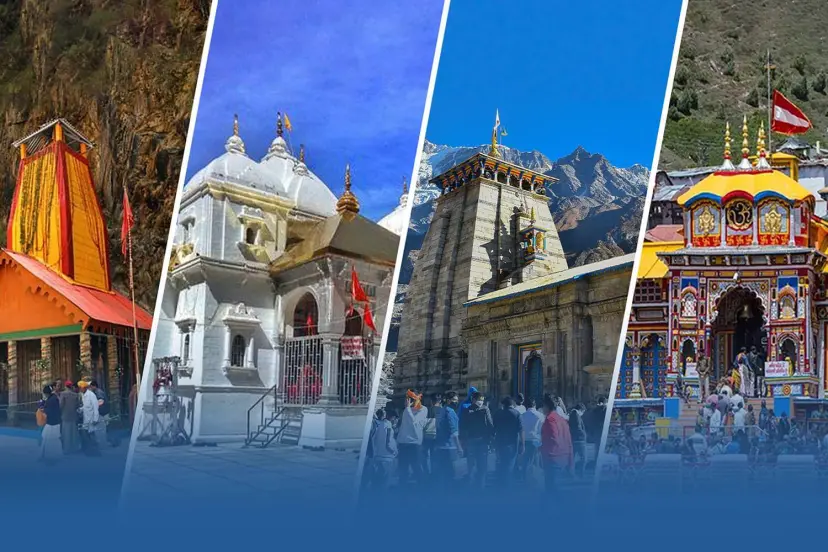
The Chardham Yatra, which includes four holy locations in the Garhwal area of Uttarakhand, India, is an important spiritual pilgrimage for Hindus. To embark on this journey, careful planning is necessary to guarantee a seamless and enriching experience. In this guide, we will explore the details of organizing the Chardham Yatra, discussing aspects from itinerary creation to vital advice for an unforgettable pilgrimage.
History of Chardham Yatra
The places involved in the Chardham Yatra, also known as the Char Dham Yatra, have deep religious importance in Hinduism. This pilgrimage takes devotees to four revered locations in the Indian state of Uttarakhand: Yamunotri, Gangotri, Kedarnath, and Badrinath, each linked to different deities in Hindu lore. The history of the Chardham Yatra goes back many centuries, with mentions found in ancient Hindu texts and epics. According to Hindu beliefs, embarking on the Chardham Yatra is thought to purify one's soul from sins and lead to spiritual awakening. The pilgrimage is significant to dedicated Hindus, who believe that visiting these holy sites fulfills their religious obligations and grants them blessings from the gods.
Importance of Chardham Yatra
The spiritual benefits and cultural value of the Chardham Yatra continue to draw millions of pilgrims a year despite these difficulties.
Conditions of the Weather
Depending on the season, the Chardham Yatra experiences different weather conditions:
April to June (summer): The best time of year to make the journey is during the summer when temperatures are comfortable and the skies are clear. Pilgrims should be ready for temperature changes and the occasional downpour, though.
July to September (monsoon season): Road closures and landslides are caused by Uttarakhand's severe rainfall during the monsoon season. Because of safety concerns, pilgrims are urged not to travel during this time.
October to November (Post-Monsoon): After the monsoon season, the weather begins to clear up, but temperatures start dropping, especially at higher altitudes. Pilgrims should be prepared for cold weather and occasional snowfall.
Ideal Time to Go
The summer months of April through June are ideal for the Chardham Yatra because of the beautiful weather and easy access to the pilgrimage destinations. Because of the dangers of landslides and road closures, it is best to avoid the monsoon season. Weather conditions for the yatra are also ideal in the post-monsoon months, especially in September and October.
How to Get There
You can travel to the Chardham Yatra by air, rail, or road. Hotels close to the Badrinath shrine are readily available after you arrive in Chardham. In the same vein, the best reasonably priced Kedarnath hotels will be located close to your destination if you make it there. You can learn more about the Chardham pilgrimage yatra by using our Chardham Yatra plan guide.
Map of Chardham Route
The Chardham Yatra connects the four holy locations along a marked path. The following is the normal pilgrimage route:
Places to Stay During the Yatra
There are several places to stay along the Chardham path, including guesthouses, Dharamshala (charitable lodgings), tents or huts for rent, and the best and most affordable hotels to stay at during the Chardham Yatra. To meet the demands of pilgrims, several well-known cities, including Barkot, Uttarkashi, Guptkashi, and Joshimath, provide a variety of housing alternatives.
Places to Visit during Chardham
During the Chardham Yatra, there are several additional sites worth seeing in addition to the principal temples at Yamunotri, Gangotri, Kedarnath, and Badrinath:
By visiting these extra sites, pilgrims can deepen their pilgrimage experience and become more fully immersed in the area's spiritual atmosphere.
Cost Of Chardham Yatra
Some factors, including preferred lodging, meal costs, extracurricular activities, and mode of transportation, might affect the Chardham Yatra's price. A typical Chardham Yatra package, which includes lodging, meals, and transportation, can cost between ₹20,000 and ₹50,000 per person. However, depending on personal choices and needs, this price may change.
Let’s Know About The Latest Guidelines of Chardham Yatra
FAQ's
Q: Is the Chardham Yatra suitable for elderly people?Ans: While the Chardham Yatra can be physically demanding, elderly people can undertake the pilgrimage with proper planning, assistance, and medical supervision.
Q: Are there medical facilities available along the route?Ans: Basic medical facilities are available at various points along the Chardham route, but pilgrims are advised to carry their medications and consult a doctor before embarking on the journey.
Q: Can the Chardham Yatra be undertaken during the winter months?Ans: The Chardham sites are generally inaccessible during the winter months due to heavy snowfall, and the temples remain closed. It is not advisable to undertake the yatra during this time.
Q: Can I undertake the Chardham Yatra solo? Yes, solo travelers can embark on the Chardham Yatra, but it’s recommended to join a group or hire local guides for safety and assistance, especially in remote areas.
Q: What are the lodging options for budget travelers along the Chardham route?Ans: Budget-friendly options include dharamshalas, guesthouses, shared dormitories, tents, and homestays available at pilgrimage sites.
Q: Are there any restrictions on photography at the Chardham sites?Ans: While photography is generally allowed, there may be restrictions inside temples or during ceremonies. Respect local customs and seek permission when necessary.
Q: What should I do in case of emergencies during the Yatra?Ans: Seek assistance from local authorities, medical facilities, or fellow travelers. Carry a charged mobile phone with emergency contacts saved.
Q: Are there specific clothing guidelines for visiting Chardham sites?Ans: Dress modestly and respectfully, especially in temples. Avoid revealing clothing out of respect for local religious sentiments.
Conclusion
The Chardham Yatra is a journey of faith, spirituality, and self-discovery rather than merely a pilgrimage. Millions of pilgrims travel this holy route every year in search of blessings and divine grace, despite the difficulties presented by rough terrain and erratic weather. One might go on a life-changing adventure that makes a lasting effect on the soul by carefully planning, honouring local traditions, and embracing the pilgrimage's spiritual core.
About the author

Amit Aswal
Amit Aswal writes TravelBudie, drawing on years working in travel and hospitality and on trips he plans and takes himself. Destination guides and itineraries are based on firsthand travel. Visa, entry and regulatory guides are researched against official government sources and re-verified on a published schedule, and each one shows the date it was last checked.
Stay in the loop
Enjoy our travel stories? Add Travelbudie as a preferred source on Google.
You'll see more of our guides and tips when you search for travel inspiration.
Add as a preferred source on GoogleYour trip, your way
Ready to turn inspiration into an itinerary?
Tell us your dates, budget, and travel style — our team will craft a personalised trip plan built around what matters to you.
Your trip, your way
Ready to turn inspiration into an itinerary?
Tell us your dates, budget, and travel style — our team will craft a personalised trip plan built around what matters to you.
Travel inspiration
Get guides & deals in your inbox
Destination tips, seasonal itineraries, and exclusive offers — no spam, unsubscribe anytime.