Munnar Tour Guide: Everything to Know Before You Visit Kerala's Tea Country (2026)
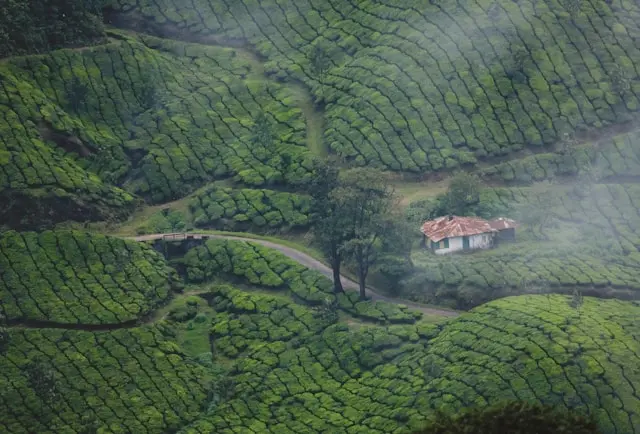
Ask a Keralite where to send a first-time visitor for hills instead of beaches, and Munnar comes up almost immediately. It's the hill station most people picture when they imagine Kerala away from the coast. Tea plantations roll over every ridge, mist doesn't burn off until mid-morning, and the climate is genuinely cool enough to need a light jacket. That's a rare thing to say about anywhere in South India.
This guide covers what you actually need to plan a Munnar trip: when to go, how to get there, what to see once you're there, and where to base yourself. If you're deciding between Munnar and Alleppey, or trying to fit both into one Kerala trip, this is the piece to start with.
Where Munnar Is, and Why It's Different from the Rest of Kerala
Munnar sits in the Idukki district of Kerala, in the Western Ghats, at an elevation of around 1,600 meters. That altitude is the whole story. It's what gives Munnar its cool climate, its tea-growing conditions, and its very different feel from the coastal and backwater parts of Kerala most people picture. The town gets its name from the meeting point of three mountain streams (Mudrapuzha, Nallathanni, and Kundala) that come together here before flowing down toward the plains.
Munnar started out as a summer retreat for British planters in the 19th century, and that tea economy is still the region's identity today. Munnar produces some of India's best-known tea, and the plantations aren't just scenery. They're a working industry you can actually tour.
Best Time to Visit Munnar
Munnar is a genuine year-round destination, but the season changes what kind of trip you'll have.
September to March (peak season). This is the most recommended window, with pleasant daytime temperatures roughly between 10°C and 25°C. Skies are clear, the tea gardens are at their greenest after the monsoon, and this is the best stretch for sightseeing, tea estate visits, and photography. Expect the biggest crowds and highest prices in this window, especially December and January.
March to May (summer/shoulder season). Warmer, with temperatures climbing toward the high 20s and low 30s, but still comfortable compared to the rest of Kerala. Good if you want lighter crowds without dealing with monsoon rain. It's also considered a strong period for wildlife spotting.
June to August (monsoon). Heavy rainfall is common, and landslides or road blockages are a real possibility. This period is usually best avoided unless you specifically want to see the waterfalls at full force and don't mind an unpredictable trip.
Late September. Often mentioned as a real sweet spot. The monsoon has just ended, rivers and waterfalls are still running full, the hills are at their lushest, and the peak-season crowds haven't arrived yet.
One thing worth knowing if you're planning years ahead: Munnar is also known for the Neelakurinji flower, a rare bloom that covers the hillsides in blue-purple once every 12 years. It last flowered in 2018, so the next bloom isn't expected until around 2030. Not relevant to most trips, but worth knowing so you don't plan a visit around it by mistake.
How to Reach Munnar
Munnar doesn't have its own airport or railway station, so every route in goes through Kochi.
By air: Cochin International Airport (COK) is the nearest airport, roughly 110 to 130 km away depending on the exact route. The drive takes about 3 to 4 hours through winding, scenic roads past spice plantations and small towns.
By rail: Kochi (Ernakulam) is also the nearest major railway station, with the same onward road journey.
By road: Munnar connects well by road to Kochi, Kottayam, Thekkady, and Alleppey. If you're routing through multiple Kerala destinations, Munnar to Alleppey is a common and manageable stretch to add to the same trip. Roads are in reasonably good shape but narrow and winding in places, so budget more travel time than the raw distance suggests, especially if it's your driver's or your own first time on these roads.
Top Things to Do and See in Munnar
Tea plantations and a tea museum visit. This is the single most Munnar-specific experience there is: walking through working tea gardens and, ideally, visiting a tea factory to see the process from leaf to cup. The Tata Tea Museum is the most commonly recommended stop for this.
Eravikulam National Park. A UNESCO-recognized park and the best place to see the Nilgiri Tahr, an endangered mountain goat found almost nowhere else. This is one of the few genuinely rare-wildlife opportunities in Kerala.
Top Station. A viewpoint near the Tamil Nadu border with some of the widest valley views in the region. A common stop if you want a single "big view" photo of the tea country.
Echo Point. Set where three mountain ranges meet beside a lake. A simple, easy stop that's popular for exactly the reason its name suggests.
Mattupetty Dam and Kundala Lake. Good for a short boat ride and a change of pace from viewpoint hopping.
Attukad and Chinnakanal waterfalls. Both reachable with short detours off the main roads, and at their best just after monsoon season.
Spice and cardamom plantations. A common half-day add-on, usually combined with a guided walk explaining how the spices are grown and processed.
Most travelers find two to three days is enough time to cover Munnar's key sights without rushing. That's enough for the tea gardens, one or two viewpoints, and a wildlife stop at Eravikulam, without needing to backtrack across the region multiple times.
Where to Stay in Munnar
Accommodation in Munnar covers the full range, and the right choice mostly comes down to what kind of view and budget you want.
Budget homestays and smaller resorts. Plentiful, and often deliver more character and better valley views than their price suggests, especially if booked slightly outside peak season.
Mid-range hotels. The most common category for package travelers, usually with breakfast included and reasonably central to the main sightseeing loop.
Luxury resorts and tea-estate stays. For travelers who want a genuinely quiet, view-forward stay, sometimes on working estate property itself.
Wherever you stay, it's worth booking a few weeks ahead during peak season (December to February especially). Munnar's popularity means good-value rooms with real valley views go first.
Munnar vs. Other Kerala Destinations
If you're trying to decide how Munnar fits into a bigger Kerala trip: Munnar is about hills, tea gardens, and cool climate, while Alleppey is about backwaters, houseboats, and coastal scenery. They complement each other rather than compete. Most well-planned Kerala trips include both, usually with Munnar first, since it's the furthest inland, before looping back toward the coast.
Ready to plan your Munnar trip? See our Munnar tour packages.
Final Thought
Munnar rewards a slower pace more than most Kerala destinations. The appeal isn't a single must-see landmark, it's the accumulated effect of tea gardens rolling past your window for two straight days. Time it for the cooler months if you can, give yourself at least two full days, and pair it with a coastal or backwater leg elsewhere in Kerala for the fullest picture of what the state actually offers.
Frequently asked questions
How many days do I need in Munnar?
Is Munnar good for a honeymoon?
What's the nearest airport to Munnar?
Is Munnar worth visiting during monsoon season?
About the author

Amit Aswal
Amit Aswal writes TravelBudie, drawing on years working in travel and hospitality and on trips he plans and takes himself. Destination guides and itineraries are based on firsthand travel. Visa, entry and regulatory guides are researched against official government sources and re-verified on a published schedule, and each one shows the date it was last checked.
Stay in the loop
Enjoy our travel stories? Add Travelbudie as a preferred source on Google.
You'll see more of our guides and tips when you search for travel inspiration.
Add as a preferred source on GoogleYour trip, your way
Ready to turn inspiration into an itinerary?
Tell us your dates, budget, and travel style — our team will craft a personalised trip plan built around what matters to you.
Your trip, your way
Ready to turn inspiration into an itinerary?
Tell us your dates, budget, and travel style — our team will craft a personalised trip plan built around what matters to you.
Travel inspiration
Get guides & deals in your inbox
Destination tips, seasonal itineraries, and exclusive offers — no spam, unsubscribe anytime.