Vegetarian Dishes You Can Try in Kerala
Kerala has a reputation as a seafood-and-beef state, and that reputation isn't wrong — but it's incomplete. Scratch the surface and you'll find one of India's most sophisticated vegetarian food traditions, built almost entirely around coconut, rice, and whatever vegetables the local soil produces. A large share of it is naturally vegan too, since traditional Kerala vegetarian cooking rarely leans on dairy products like paneer or ghee the way North Indian vegetarian food does — coconut milk does most of the work instead.
Whether you're vegetarian by choice, traveling with someone who is, or just want to understand what a Keralite eats on a regular Tuesday versus a wedding day, this guide breaks down the essential dishes by meal, with notes on where they show up and what to expect.
Pair this with our general guide on what to eat in Kerala for the full picture, including seafood and meat dishes.
Breakfast Staples
Puttu and Kadala Curry
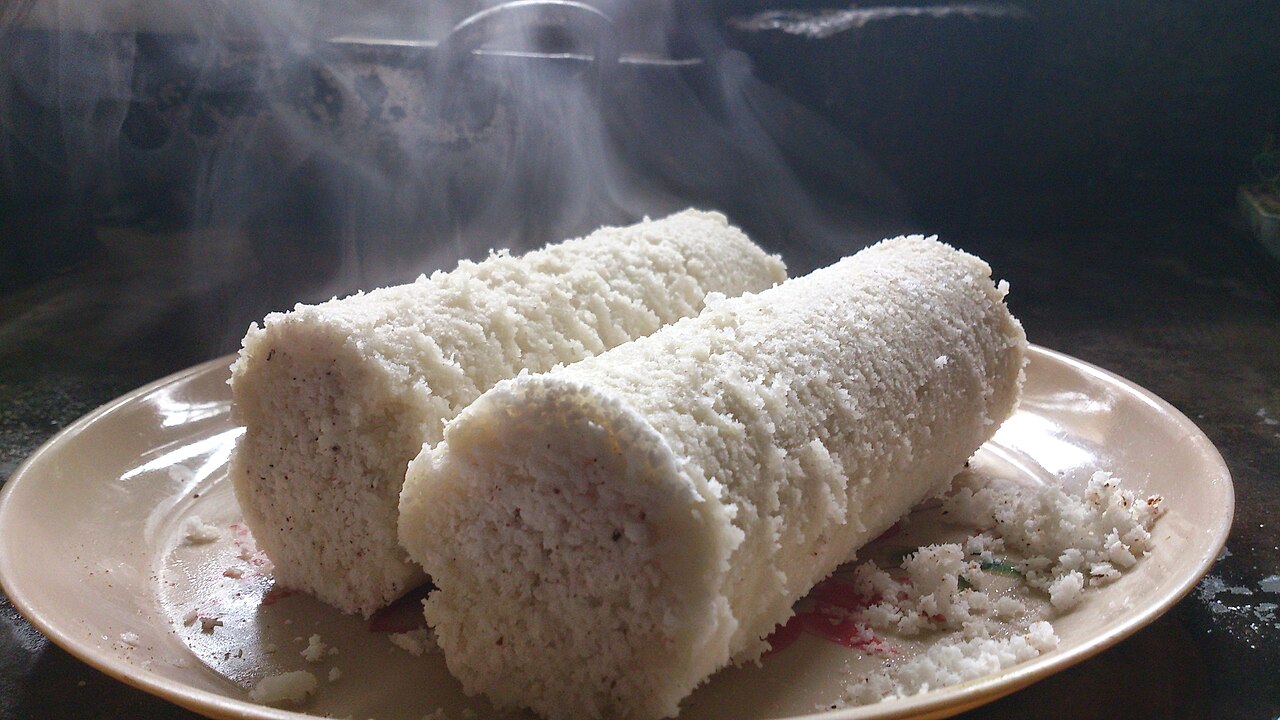
Steamed cylinders of rice flour layered with grated coconut, traditionally cooked in a bamboo mould called a puttu kutti, and served with a spiced black chickpea (kadala) curry. It's the most common vegetarian breakfast in the state and shows up on nearly every hotel and home breakfast table. Variations using ragi, wheat, or even beetroot and spinach-infused flour are common in more contemporary kitchens.
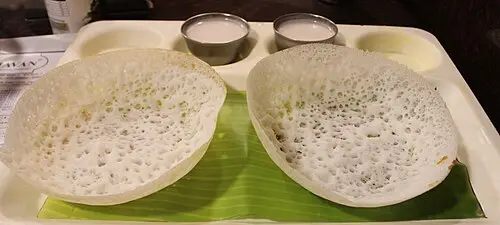
Appam
A bowl-shaped rice pancake with a soft, slightly fermented center and lacy, crisp edges. For a vegetarian breakfast, it's typically paired with a coconut milk-based vegetable stew, though it also works well with just chutney.
Idiyappam
Rice flour pressed into thin strands and steamed, often called "string hoppers." It's usually eaten with a mild vegetable curry, or simply with grated coconut and sugar for a lighter, sweeter start to the day.
Neer Dosa
Technically a neighboring Karnataka specialty, but firmly adopted into Kerala's coastal breakfast culture. These are thin, soft rice crepes, almost lacy in texture, usually served with coconut chutney or a light vegetable stew.
The Heart of It: Sadya
If there's one meal that defines Kerala's vegetarian identity, it's sadya — a traditional feast served on a banana leaf that can include more than two dozen dishes in a single sitting. It's most associated with Onam (Kerala's harvest festival) and Vishu, but temples, wedding halls, and many restaurants serve some version of it on a regular basis.
Sadya is served in a specific sequence, generally moving from milder to stronger flavors, and closing with dessert. A few of its defining components:
Parippu — a simple lentil curry finished with ghee, usually the first item served with rice.
Sambar — a lentil-and-vegetable stew, thinner and more coconut-forward than versions found elsewhere in South India.
Avial — mixed vegetables in a coconut-and-yogurt paste, finished with raw coconut oil and curry leaves.
Thoran — a dry stir-fry of finely chopped vegetables with grated coconut and mustard seeds; cabbage, beans, and beetroot are common bases.
Olan — ash gourd and red cowpeas cooked in a light coconut milk gravy, deliberately mild and un-spiced.
Kalan — a thicker, tangier curry made from yogurt, raw banana, and yam, seasoned with black pepper; often reserved for festivals because of how long it takes to cook.
Pachadi and Kichadi — yogurt-based dishes with vegetables or fruit (pineapple pachadi is a well-loved variant); kichadi tends to be spicier than pachadi.
Upperi — deep-fried banana chips, a textural counterpoint to the wetter curries.
Pappadam — a fried or roasted wafer made from black gram flour, served on the side.
Koottu Curry — black chickpeas and raw banana or yam in a tempered coconut gravy, often finished with a sharp hit of pepper.
Inji Puli / Inji Curry — a ginger and tamarind pickle-like relish that's sweet, sour, and spicy all at once, typically served in small quantities.
A full sadya is eaten with the hands, off a banana leaf placed with its tapering end to the diner's left, and rice usually gets replenished two or three times through the meal as different curries are added.
If you eat meat or seafood too, our non-vegetarian Kerala food guide covers the other half of the plate.
Everyday Curries and Sides
Kappa (Tapioca)
Boiled and mashed tapioca, often studded with mustard seeds and curry leaves. On its own it's a simple vegetarian side; in many households it's eaten alongside spicier curries as a starch substitute for rice.
Puzhukku
A mash of root vegetables — yam, sweet potato, raw banana, and sometimes cowpeas — associated with the Thiruvathira festival, when it's traditionally eaten instead of rice. Outside festival season, simpler versions still appear as a home-style side dish.
Mezhukkupuratti
Vegetables (often yam, raw banana, or long beans) stir-fried in coconut oil with red chilies and curry leaves until lightly coated and glossy. The name literally translates to "coated in oil," which is a fairly accurate description of the technique.
Tomato Rice
A simple one-pot rice dish tempered with mustard seeds and curry leaves, occasionally finished with roasted peanuts for crunch. It's more of a home-cooking staple than a restaurant showpiece, but worth trying if you get a home-cooked meal.
Snacks and Sweets
Pazham Pori (Ethakka Appam)
Ripe banana slices dipped in a sweetened batter and deep-fried until golden. It's the most common vegetarian teatime snack in the state, sold everywhere from train platforms to roadside tea shops.
Banana Chips
Thin slices of raw banana, deep-fried in coconut oil and usually salted. Kerala is closely associated with these, and they travel well if you want to bring some home.
Aval Vilayichathu
Flattened rice (poha) cooked with jaggery, coconut, and cardamom — a sweet, fairly quick dish that's often made for festivals or as an evening snack.
Payasam
A broad category of sweet, milk- or coconut-milk-based puddings, usually made with rice, vermicelli, or lentils and sweetened with jaggery. Notable versions include:
Ada Pradhaman — rice flakes, jaggery, and coconut milk.
Palada Payasam — a milk-based rice pudding.
Parippu Payasam — made with lentils, coconut milk, and jaggery.
Pazham Pradhaman — made with ripe bananas and jaggery.
A Quick Ordering Guide for Vegetarian Travelers
Meal | Order This |
|---|---|
Breakfast | Puttu and kadala curry, or appam and stew |
Lunch | A vegetarian sadya, or plain rice with sambar, avial, and thoran |
Evening snack | Pazham pori with chai |
Dessert | Ada pradhaman or palada payasam |
Practical Notes for Vegetarian and Vegan Travelers
A large portion of traditional Kerala vegetarian cooking is naturally dairy-free, since coconut milk and coconut oil are used far more often than ghee or paneer — helpful to know if you're vegan.
"Meals" is the local shorthand for a simple vegetarian rice plate with 2–3 curries, available cheaply at most small eateries; it's a reliable, no-frills option if you don't want a full sadya.
Temples and Hindu wedding halls are among the most consistent places to get an authentic, full-scale sadya outside of Onam season.
If you're ordering à la carte rather than a set meal, avial, thoran, and olan are a good trio to start with — they represent three different textures and spice levels without overwhelming a first-timer.
Final Thought
Kerala's vegetarian food doesn't get talked about as much as its seafood, but it deserves equal attention — it's varied, largely coconut-and-vegetable-driven, and built around genuine technique rather than substitution. A sadya, eaten properly and unhurried, is one of the more complete vegetarian meals you'll find anywhere in India.
Planning your trip? Browse our Kerala Honeymoon Packages for itineraries that include Kerala's best food stops.
Frequently asked questions
Is Kerala food vegetarian-friendly?
Is Kerala vegetarian food vegan?
What's the difference between avial and thoran?
Do I need to wait for Onam to eat sadya?
About the author

Amit Aswal
Amit Aswal writes TravelBudie, drawing on years working in travel and hospitality and on trips he plans and takes himself. Destination guides and itineraries are based on firsthand travel. Visa, entry and regulatory guides are researched against official government sources and re-verified on a published schedule, and each one shows the date it was last checked.
Stay in the loop
Enjoy our travel stories? Add Travelbudie as a preferred source on Google.
You'll see more of our guides and tips when you search for travel inspiration.
Add as a preferred source on GoogleYour trip, your way
Ready to turn inspiration into an itinerary?
Tell us your dates, budget, and travel style — our team will craft a personalised trip plan built around what matters to you.
Your trip, your way
Ready to turn inspiration into an itinerary?
Tell us your dates, budget, and travel style — our team will craft a personalised trip plan built around what matters to you.
Travel inspiration
Get guides & deals in your inbox
Destination tips, seasonal itineraries, and exclusive offers — no spam, unsubscribe anytime.