Valley of Flowers Travel Guide 2026 – Complete Guide for First‑Time Visitors
The Valley of Flowers is one of the most scenic and rewarding Himalayan destinations in India. Located in Uttarakhand, this UNESCO World Heritage Site is known for its vibrant alpine meadows, rare Himalayan fl…
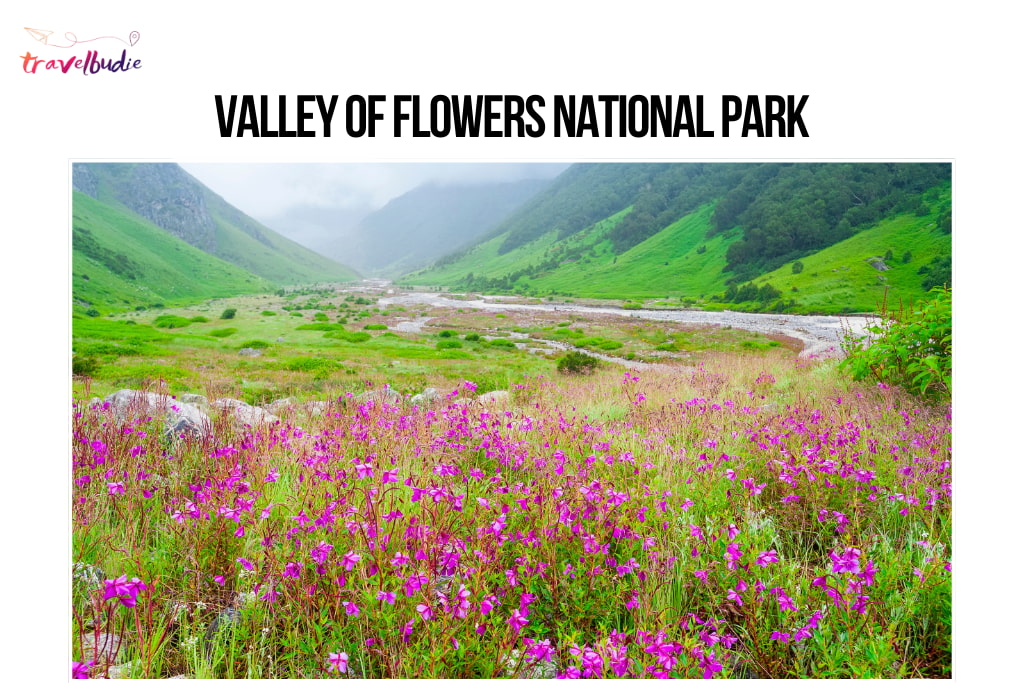
The Valley of Flowers is one of the most scenic and rewarding Himalayan destinations in India. Located in Uttarakhand, this UNESCO World Heritage Site is known for its vibrant alpine meadows, rare Himalayan flowers, and peaceful trekking trails.
Every year, thousands of travelers search for reliable information on the Valley of Flowers before planning their trip. This guide is designed to answer the most common questions travelers have — from the best time to visit and how to reach, to safety tips and nearby attractions — so you can plan with clarity and confidence.
If you are looking for a detailed day‑by‑day itinerary and booking options, you can explore our dedicated Valley of Flowers trek page after reading this guide.
Where Is the Valley of Flowers Located?
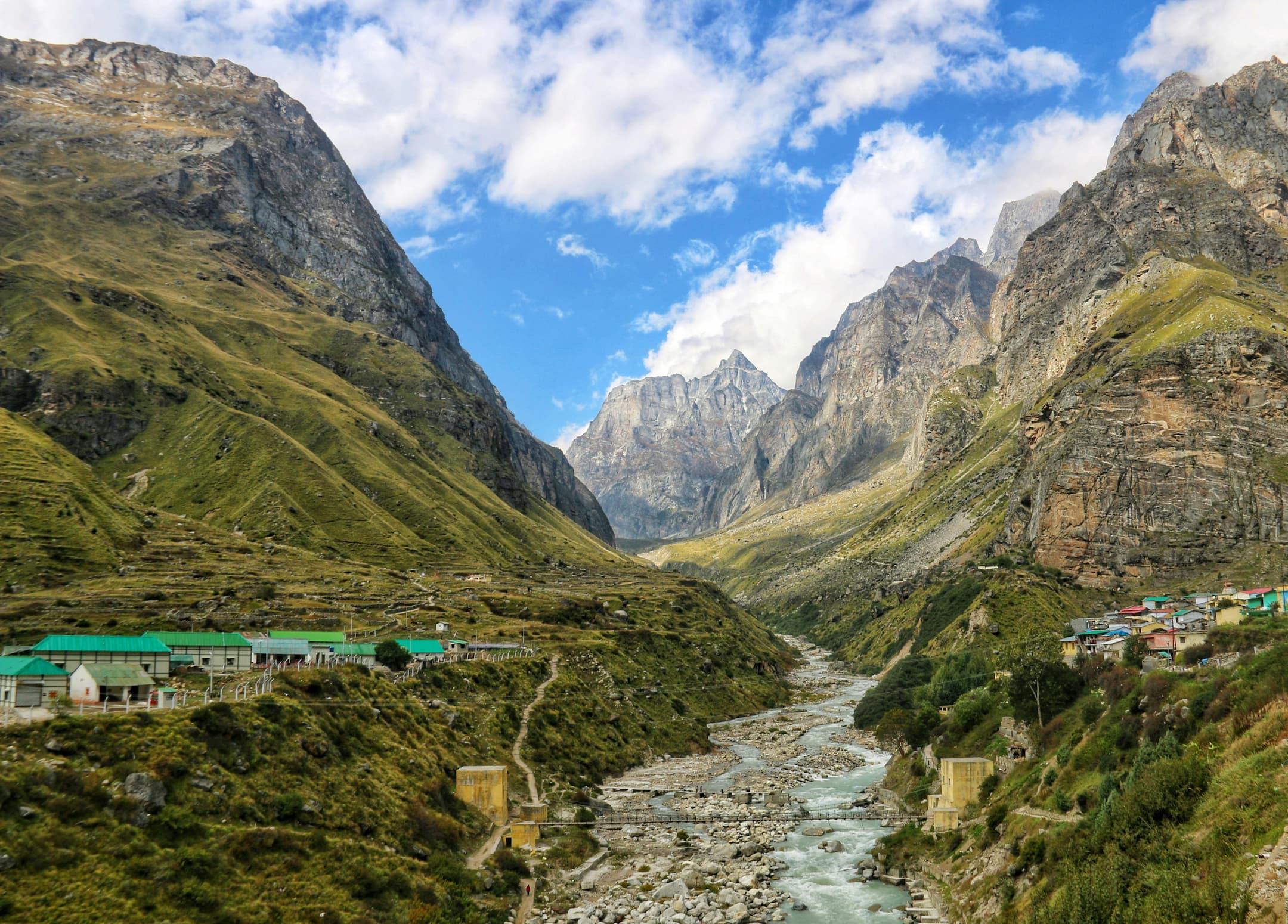
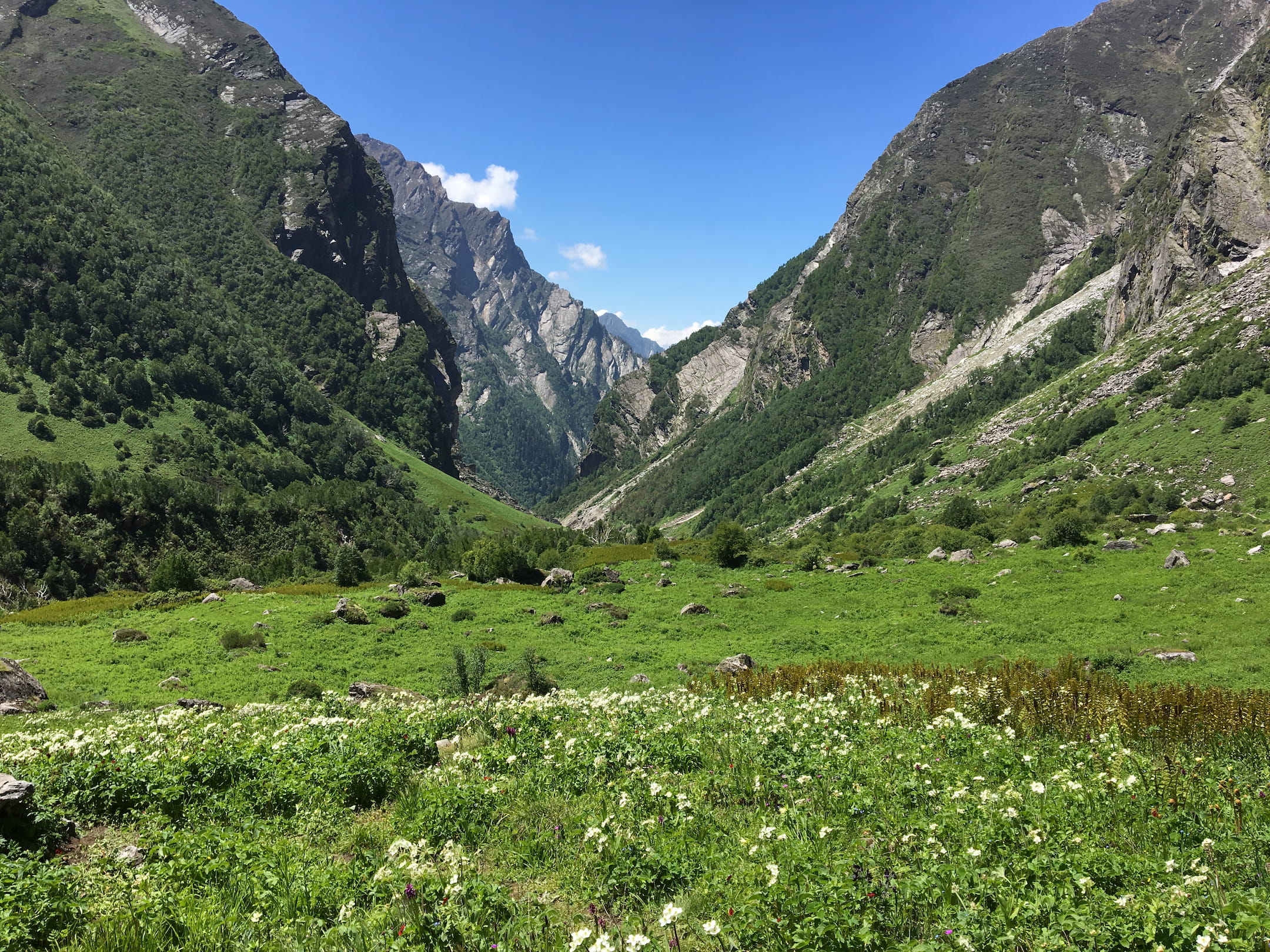
The Valley of Flowers National Park is located in the Chamoli district of Uttarakhand, within the Nanda Devi Biosphere Reserve. The trek begins from Govindghat, a small town near Joshimath, and Ghangaria serves as the base village for both the Valley of Flowers and Hemkund Sahib.
Its remote Himalayan location is one of the main reasons the valley has remained untouched and ecologically rich.
Why Is the Valley of Flowers So Popular?
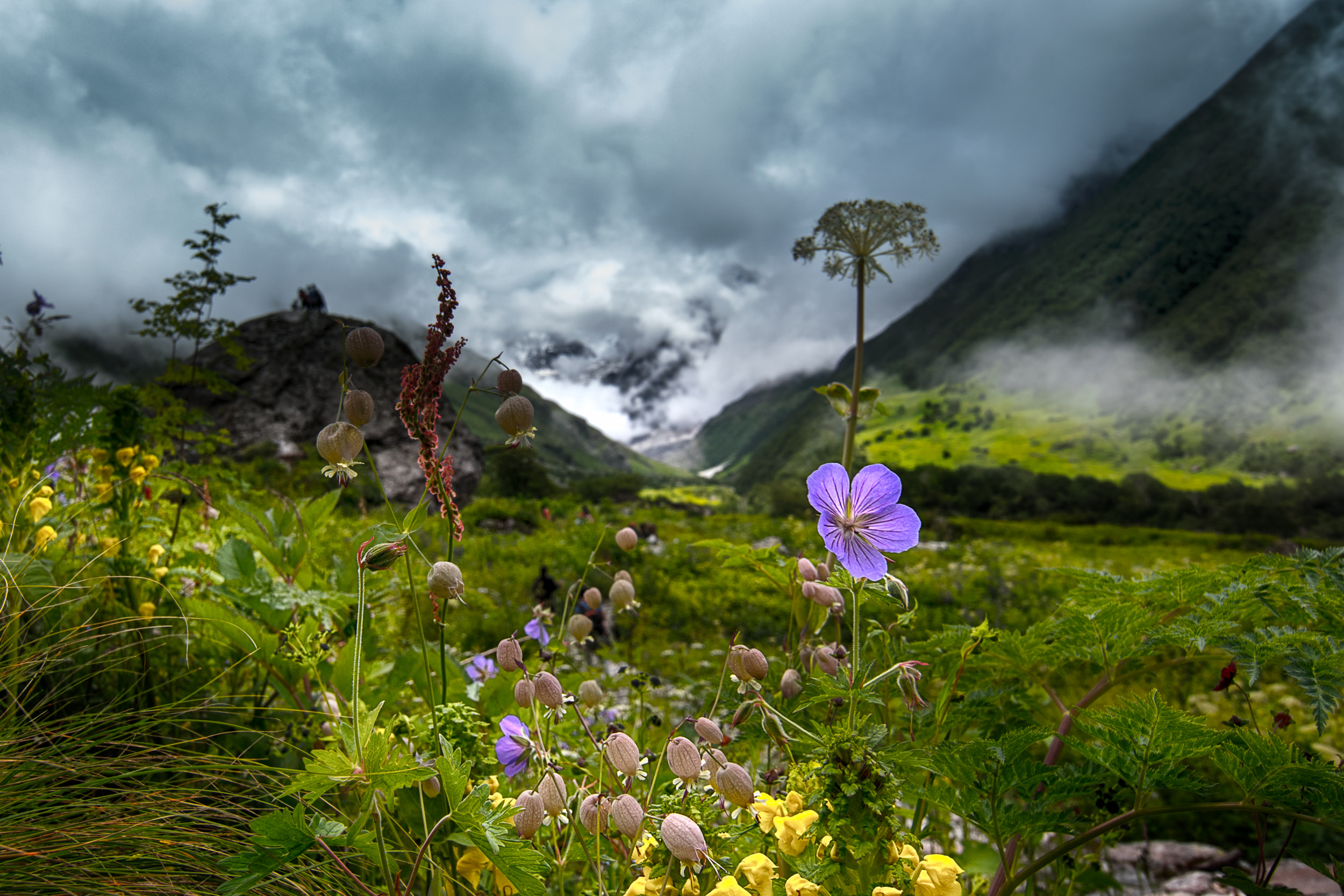
The Valley of Flowers is famous for its unique combination of natural beauty and biodiversity. During the monsoon season, the entire valley blooms with hundreds of species of wildflowers that are found only in the Himalayan region.
Key reasons travelers visit the Valley of Flowers include:
- Seasonal bloom of rare alpine flowers
- Peaceful trekking routes suitable for beginners
- Snow‑covered Himalayan peaks and waterfalls
- UNESCO World Heritage Site status
This makes it one of the most photographed trekking destinations in India.
Best Time to Visit Valley of Flowers
The Valley of Flowers remains open to visitors from June to September, depending on weather conditions.
- June: Lush greenery, fewer flowers, ideal for quiet treks
- July to August: Peak flowering season and best overall experience
- September: Clear skies and mountain views with fewer blooms
Most travelers consider mid‑July to mid‑August the best time to see the valley in full bloom.
How to Reach Valley of Flowers
Reaching the Valley of Flowers involves a combination of road travel and trekking.
- Nearest Airport: Jolly Grant Airport, Dehradun
- Nearest Railway Station: Haridwar or Rishikesh
- Road Route: Rishikesh / Haridwar → Joshimath → Govindghat
From Govindghat, a 13 km trek leads to Ghangaria, followed by a short trek to the Valley of Flowers.
Valley of Flowers Trek Overview
- Trek Duration: 4 to 6 days
- Difficulty Level: Easy to Moderate
- Maximum Altitude: Around 14,100 ft
- Starting Point: Govindghat
The trail is well‑defined and suitable for first‑time Himalayan trekkers with basic fitness.
Valley of Flowers and Hemkund Sahib
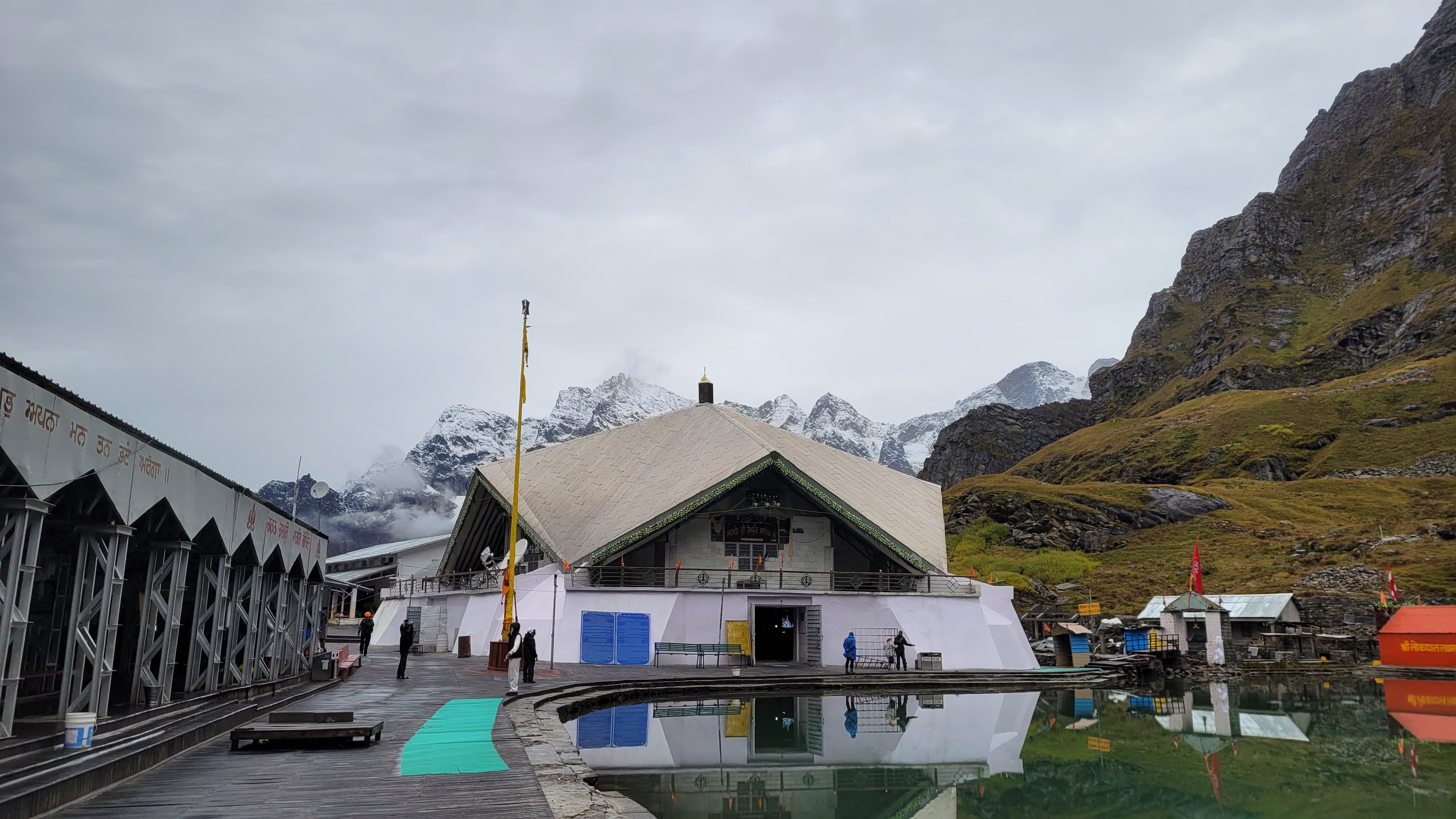
Many travelers combine the Valley of Flowers trek with a visit to Hemkund Sahib, one of the highest Sikh pilgrimage sites in the world. Situated at an altitude of around 15,200 ft, Hemkund Sahib features a glacial lake surrounded by snow‑clad peaks.
Visiting both destinations offers a balanced experience of nature and spirituality.
What to Pack for Valley of Flowers Trek
Packing correctly is essential due to frequent rainfall during the trekking season.
- Waterproof trekking shoes
- Rain jacket or poncho
- Warm layers and quick‑dry clothing
- Trekking pole for stability
- Sunscreen, sunglasses, and cap
- Personal medicines and basic first‑aid kit
Entry Fees and Permits
All visitors must obtain a forest entry permit to enter the Valley of Flowers National Park. The permit is issued near the entrance gate and requires a valid government ID.
Is the Valley of Flowers Trek Safe?
Yes, the Valley of Flowers trek is considered safe during the official open season. However, travelers should keep the following points in mind:
- Weather can change quickly in the Himalayas
- Trails may become slippery during rainfall
- Proper acclimatization is important, especially if visiting Hemkund Sahib
Hiring a local guide or booking through a trusted tour operator adds an extra layer of safety.
Nearby Places to Visit
If you have additional time, consider visiting:
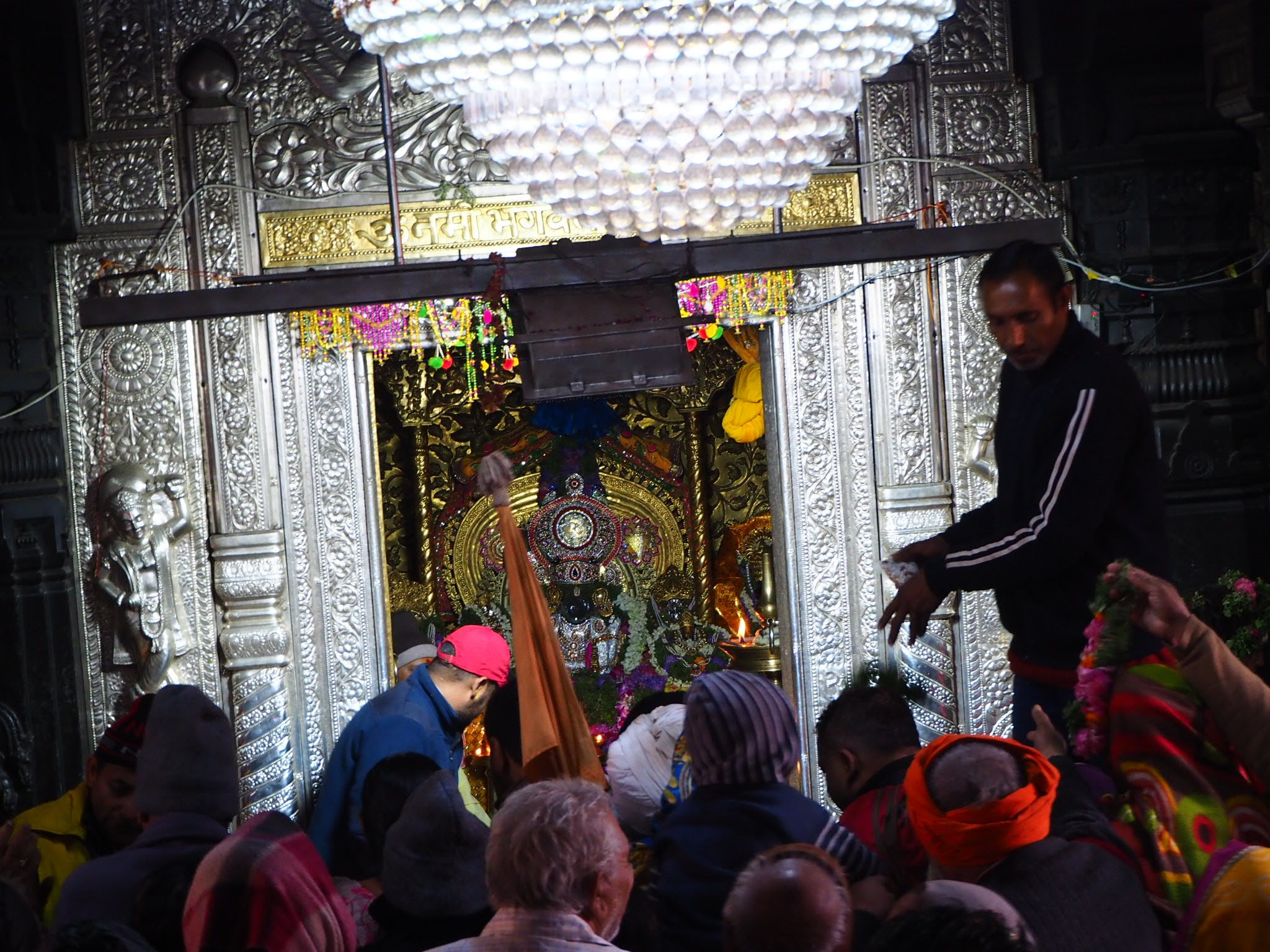
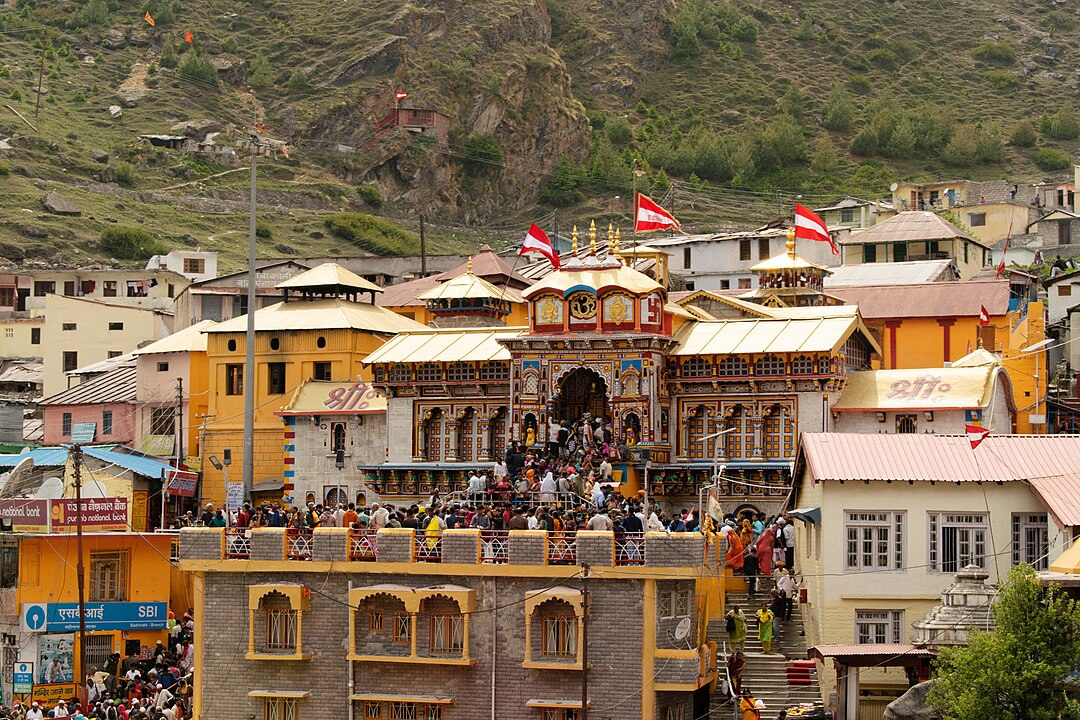
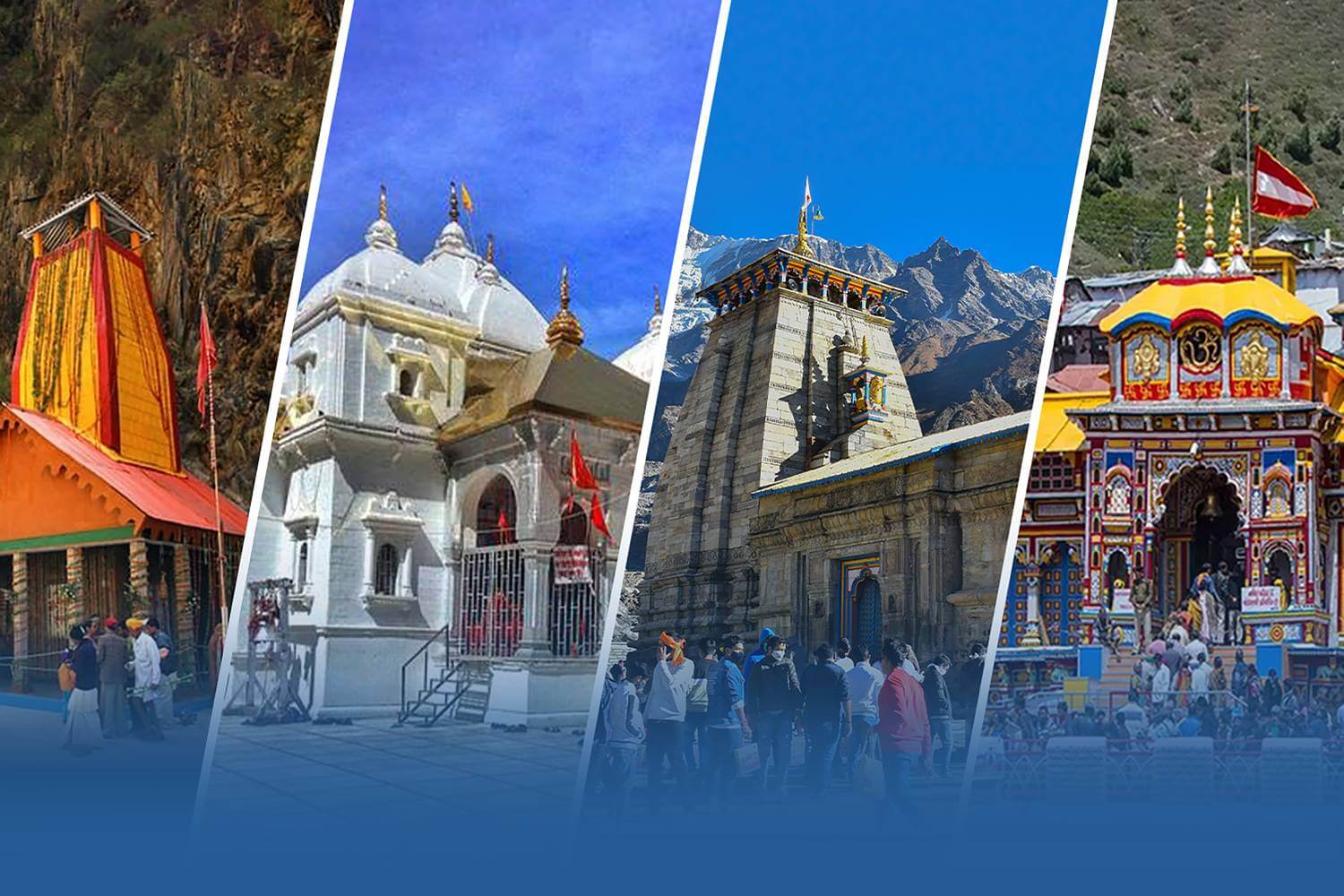
- Badrinath Temple – One of the Char Dham pilgrimage sites
- Mana Village – Known as the last Indian village near the Tibet border
- Joshimath – A major pilgrimage and transit town
Frequently Asked Questions About Valley of Flowers
Is the Valley of Flowers suitable for beginners?
Yes, the trek is ideal for beginners with basic physical fitness.
How many days are required for the Valley of Flowers trek?
Most travelers complete the trek in 4 to 6 days.
Do I need a guide for the Valley of Flowers?
While it is not mandatory, hiring a guide is recommended for safety and better understanding of the region.
Plan Your Valley of Flowers Trek
This guide is created to help travelers make informed decisions about visiting the Valley of Flowers. For a complete itinerary, pricing details, inclusions, and booking options, explore our dedicated Valley of Flowers Trek itinerary page and plan your Himalayan journey with confidence.