Chardham Yatra Guide 2026 – Complete Travel Plan
The Chardham Yatra is one of the most sacred pilgrimages in Hinduism, nestled in the breathtaking Garhwal Himalayas of Uttarakhand. The word "Char" means four, and "Dham" means divine abode, together referring to the f our holy temples that form this spiritual circuit.
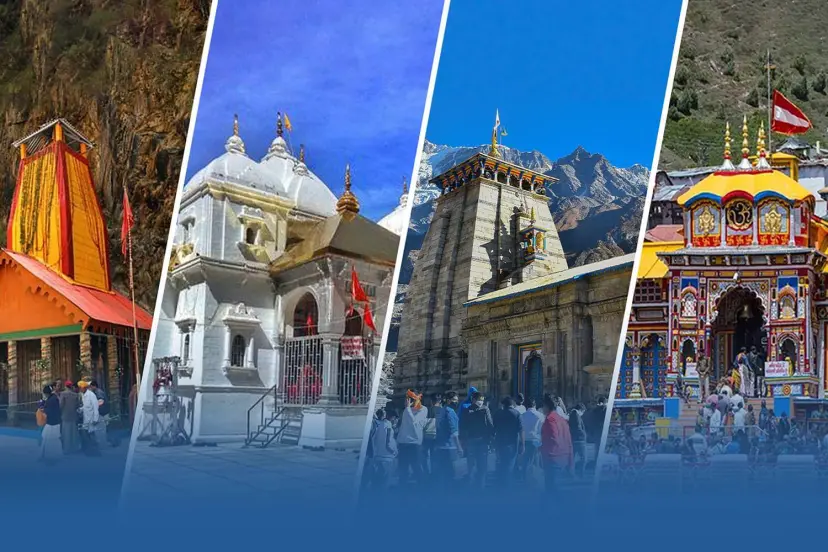
The Chardham Yatra is one of the most sacred pilgrimages in Hinduism, nestled in the breathtaking Garhwal Himalayas of Uttarakhand. The word "Char" means four, and "Dham" means divine abode, together referring to the four holy temples that form this spiritual circuit.
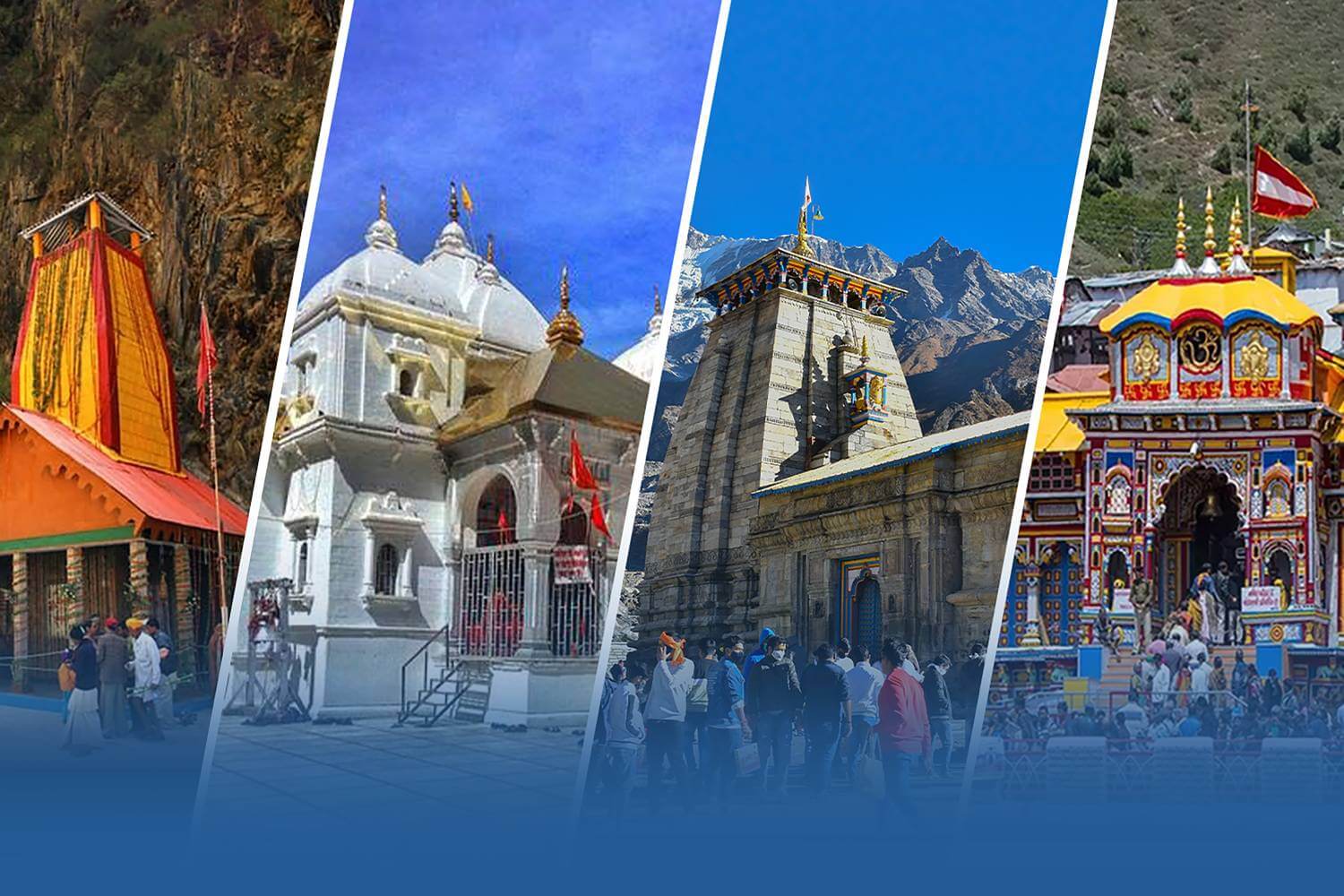
These four sacred shrines—Yamunotri, Gangotri, Kedarnath, and Badrinath—are believed to be the dwelling places of gods and goddesses. Each temple is dedicated to a specific deity and holds immense religious significance in Hindu mythology and scriptures.
Located at high altitudes ranging from 3,000 to 3,583 meters above sea level, these temples open their doors to devotees only during the summer months, typically from April/May to October/November. The journey through these divine destinations takes pilgrims through some of the most stunning landscapes in the Indian Himalayas, combining spiritual awakening with natural beauty.
The Chardham circuit has been a pilgrimage route for thousands of years, mentioned in ancient Hindu texts and revered by saints and sages throughout history.
Today, hundreds of thousands of devotees undertake this journey each year, seeking blessings, spiritual purification, and moksha (salvation).
Why the Chardham Yatra is Important?
The Chardham Yatra holds profound spiritual significance in Hindu dharma and is considered one of the most meritorious pilgrimages a devotee can undertake in their lifetime.
Spiritual Purification and Moksha
According to Hindu beliefs, completing the Chardham Yatra washes away all sins accumulated over lifetimes and helps devotees attain moksha—liberation from the cycle of birth and death. The journey is seen as a path to spiritual enlightenment, where pilgrims can connect deeply with the divine in the serene Himalayan environment.
Connection with the Divine
Each of the four dhams represents a different aspect of divinity—Yamunotri honours Goddess Yamuna, Gangotri venerates Goddess Ganga, Kedarnath is dedicated to Lord Shiva, and Badrinath to Lord Vishnu. By visiting all four temples, devotees seek the blessings of these powerful deities, believing it brings prosperity, peace, and spiritual growth to their lives.
Penance and Self-Discovery
The challenging terrain and high altitudes of the Chardham route make this pilgrimage a test of physical endurance and mental strength. Many devotees view the hardships encountered during the journey as a form of penance (tapasya) that purifies the soul. The difficulties faced—whether trekking steep paths, enduring harsh weather, or managing altitude sickness—are seen as opportunities for self-reflection and spiritual transformation.
Fulfilling Religious Duty
For devout Hindus, undertaking the Chardham Yatra at least once in their lifetime is considered a sacred duty. It's believed that completing this pilgrimage fulfils one's religious obligations and brings the devotee closer to the ultimate goal of Hindu life—union with the divine.
Cultural and Historical Legacy
The Chardham Yatra is deeply rooted in Indian culture and history. The temples have stood for centuries, witnessing the devotion of countless pilgrims. By participating in this yatra, modern devotees become part of this timeless tradition, connecting with their ancestors and preserving an important cultural heritage.
Whether you seek spiritual awakening, wish to do a vow, or simply want to experience the divine presence in the Himalayas, the Chardham Yatra offers a transformative journey that touches the heart, mind, and soul.
The Four Sacred Dhams – Overview
The Chardham circuit comprises four holy temples, each with its unique significance, mythology, and charm. Understanding each dham helps pilgrims prepare mentally and spiritually for their journey.
1. Yamunotri – The First Dham
Location & Altitude: Yamunotri is located in the Uttarkashi district at an altitude of 3,293 meters (10,804 feet) above sea level.
Deity: The temple is dedicated to Goddess Yamuna, the daughter of the Sun God (Surya) and sister of Yama, the God of Death. According to Hindu belief, bathing in the sacred waters of the Yamuna River absolves devotees of the fear of painful death.
How to Reach: The nearest motorable point is Janki Chatti, from where pilgrims must trek approximately 6 kilometres to reach the temple. The trek takes about 3-4 hours, depending on your fitness level. Alternative options include hiring ponies, palanquins (dolis), or porters.
Key Attractions:
- Surya Kund: A hot water spring near the temple where pilgrims cook rice and potatoes tied in cloth as offerings to the goddess
- Divya Shila: A rock pillar worshipped before entering the main temple
- Yamunotri Temple: Built by Maharaja Pratap Shah of Tehri Garhwal, featuring beautiful architecture
Best Time to Visit: May to June and September to October when weather conditions are favorable and the trek is manageable.
Temple Timings: Generally opens around 6:00 AM and closes by 8:00 PM, with a break in the afternoon.
Spiritual Significance: Yamunotri marks the beginning of the Chardham circuit. The temple's location at the source of the Yamuna River makes it especially sacred. Pilgrims believe that visiting Yamunotri first sets the right spiritual tone for the entire journey.
2. Gangotri – The Second Dham
Location & Altitude: Situated in the Uttarkashi district at an elevation of 3,100 meters (10,170 feet), Gangotri is surrounded by stunning Himalayan peaks.
Deity: The temple is dedicated to Goddess Ganga, who descended from heaven to earth according to Hindu mythology. King Bhagirath performed intense penance to bring the celestial river to earth to liberate his ancestors' souls.
How to Reach: Gangotri is accessible by road, making it one of the more easily reachable dhams. The temple is located about 100 kilometres from Uttarkashi and can be reached directly by taxi or bus. Chardham Yatra by Helicopter services are also available.
Key Attractions:
- Gangotri Temple: A beautiful white structure built in the 18th century by Gorkha General Amar Singh Thapa
- Bhagirath Shila: The sacred rock where King Bhagirath meditated
- Gaumukh Glacier: Located 19 km from Gangotri, this is the actual source of the Ganga River (requires a separate trek)
- Pandava Gufa: Caves where the Pandavas from the Mahabharata are believed to have meditated
Best Time to Visit: May to June and September to mid-October offer the best weather conditions.
Temple Timings: Opens around 6:15 AM and closes by 7:00 PM with an afternoon break.
Spiritual Significance: The Ganga is considered the most sacred river in Hinduism. Taking a holy dip in the icy waters of the Bhagirathi River at Gangotri is believed to cleanse all sins and purify the soul. The temple's serene environment and the sound of rushing waters create a deeply meditative atmosphere.
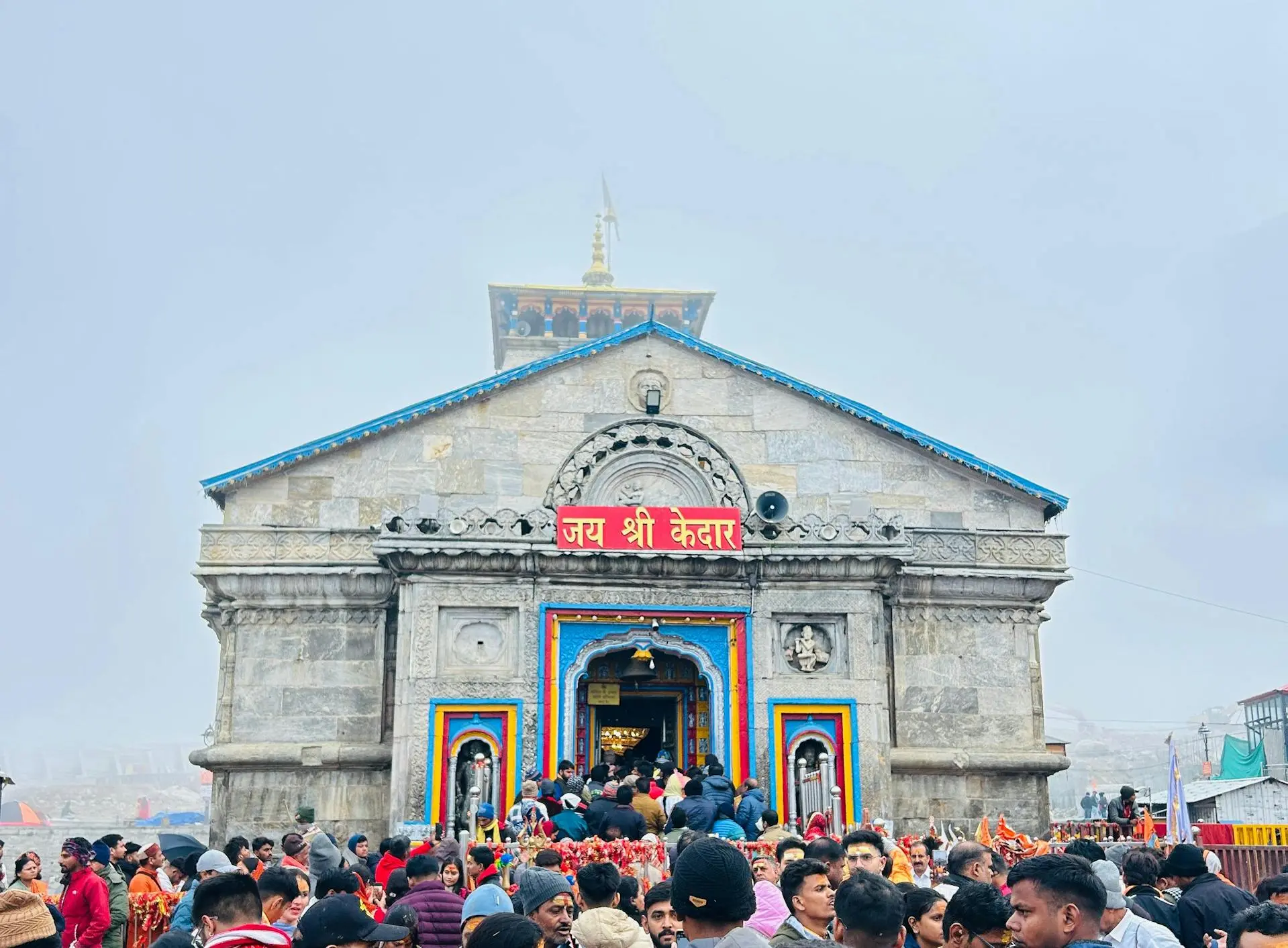
3. Kedarnath – The Third Dham
Location & Altitude: Kedarnath temple stands at 3,583 meters (11,755 feet) in the Rudraprayag district, making it one of the highest among the Chardham temples.
Deity: Kedarnath is dedicated to Lord Shiva and is one of the twelve Jyotirlingas (divine representations of Shiva). According to legend, Lord Shiva took refuge here in the form of a bull to avoid the Pandavas after the Kurukshetra war.
How to Reach: The journey to Kedarnath is the most challenging of all four dhams. From Gaurikund (the last motorable point), pilgrims must trek 16 kilometres uphill, which typically takes 6-8 hours.
Options include:
- Trekking on foot: The most common and used option
- Ponies: Available for hire from Gaurikund
- Palanquins (Dolis): Carried by porters
- Helicopter services: Available from Dehradun, Phata, Sersi, and Guptkashi for those who prefer aerial travel.
Key Attractions:
- Kedarnath Temple: An ancient stone structure believed to be over 1,200 years old, rebuilt by Adi Shankaracharya
- Bhairav Temple: Located uphill from the main temple; visiting here is considered mandatory for complete darshan
- Gandhi Sarovar: A pristine lake located 3 km from the temple
- Vasuki Tal: A high-altitude lake at 4,150 meters, accessible via an 8 km trek
Best Time to Visit: May to June and September to early November. The temple opens after Akshaya Tritiya and closes on Bhai Dooj or Yama Dwitiya.
Temple Timings: Opens around 4:00 AM for early morning aarti and closes by 9:00 PM, with breaks in between.
Spiritual Significance: Kedarnath holds immense significance as one of the holiest Shiva temples in India. The journey itself is considered a form of penance. The temple miraculously survived the devastating 2013 floods, which many devotees view as divine intervention, further enhancing its spiritual importance.
Note: Due to the high altitude and challenging trek, adequate physical preparation and acclimatization are essential for Kedarnath.
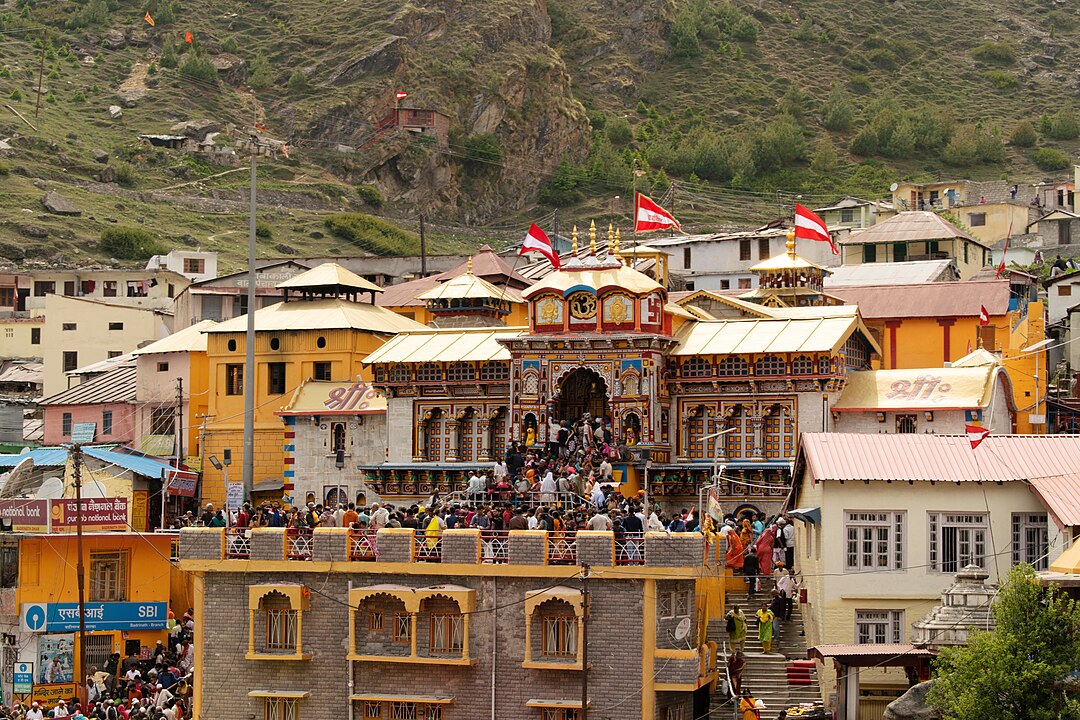
4. Badrinath – The Fourth Dham
Location & Altitude: Badrinath is located in the Chamoli district at 3,300 meters (10,827 feet), on the banks of the Alaknanda River, between the Nar and Narayan mountain ranges.
Deity: The temple is dedicated to Lord Vishnu in his aspect as Badrinarayan. According to legend, Lord Vishnu meditated here under a Badri tree (Indian jujube), with Goddess Lakshmi protecting him from harsh weather.
How to Reach: Badrinath is accessible by road and is the most convenient dham to visit. Regular buses and taxis operate from Rishikesh, Haridwar, and other towns. The well-maintained road makes it accessible for elderly pilgrims and families with children.
Key Attractions:
- Badrinath Temple: A stunning structure with a gold-gilded roof and ornate carvings, managed by Rawal (head priest) from Kerala
- Tapt Kund: Natural hot springs where pilgrims bathe before entering the temple
- Brahma Kapal: A platform for performing rituals for deceased ancestors
- Mana Village: The last Indian village before the Tibet border, just 3 km from Badrinath
- Vasudhara Falls: A spectacular waterfall 9 km from Badrinath
- Bheem Pul: A natural rock bridge believed to have been placed by Bhima from the Mahabharata
- Charanpaduka: A rock bearing Lord Vishnu's footprints, located 3 km from the temple
Best Time to Visit: April to November. The temple opens in late April/early May and closes in November during Diwali.
Check - The Badrinath Temple Opening Date for 2026
Temple Timings: Morning darshan from 4:30 AM, with breaks during the afternoon, and evening aarti around 7:00 PM.
Spiritual Significance: Badrinath is one of the four dhams in the larger Char Dham circuit (which includes Dwarka, Puri, and Rameswaram). It's believed that Lord Vishnu himself resides here, making it one of the holiest Vishnu temples in India. The temple's serene location, surrounded by snow-capped peaks, creates an atmosphere of profound peace and devotion.
Special Features: The temple houses a 1-meter-tall black stone idol of Lord Badrinarayan in a meditative pose. The idol is believed to be self-manifested (Swayambhu) and is one of eight Swayam Vyakta Kshetras (self-manifested Vishnu sites).
Completing darshan at Badrinath marks the successful conclusion of the Chardham Yatra, and pilgrims often feel a deep sense of accomplishment and spiritual journey.
Chardham Yatra by Helicopter
For pilgrims with time constraints, physical limitations, or those seeking a more comfortable journey, the helicopter tour offers an excellent alternative to the traditional road and trekking route. This premium option allows you to complete the entire Chardham circuit in just 5 nights and 6 days, compared to the 10-12 days required for the standard route.
Why Choose a Helicopter for Chardham?
- Time-Saving: Complete the entire circuit in less than a week
- Comfort: Avoid long drives on winding mountain roads and strenuous treks
- Accessibility: Ideal for senior citizens, those with health concerns, or families with children
- Aerial Views: Experience breathtaking panoramic views of the Himalayas
- Weather Protection: Reduced exposure to unpredictable mountain weather
- Convenience: Skip the challenging 16 km trek to Kedarnath
Chardham Helicopter Itinerary
- Day 1: Arrival in Dehradun
- Day 2: Dehradun to Yamunotri & Kharsali
- Day 3: Gangotri Darshan
- Day 4: Kedarnath Darshan
- Day 5: Badrinath Darshan
- Day 6: Return to Dehradun
Approximate Cost Range
- Budget Helicopter Package: ₹1,60,000 - ₹1,80,000 per person
- Standard Package: ₹1,80,000 - ₹2,20,000 per person
- Premium/Luxury Package: ₹2,20,000 - ₹2,80,000 per person
Prices vary based on season, operator, accommodation quality, and group size. Peak season (May-June) typically commands higher prices.
Helicopter Service Providers
Several authorised operators provide Chardham helicopter services:
- Pawan Hans
- Pinnacle Aviation
- Aryan Aviation
- Heritage Aviation
- Various private charter companies
Traditional pilgrims often feel that the Chardham journey by road and on foot is part of the spiritual penance and makes the Chardham Yatra complete. You can also do the Do Dham Yatra by Helicopter Tour Packages.
How to Plan Your Yatra?
Planning a successful Chardham Yatra requires careful preparation across multiple aspects—timing, route selection, travel arrangements, accommodation, and physical readiness. Here's a comprehensive guide to help you plan your pilgrimage effectively.
Best Time to Visit
Peak Season: May to June
This is the most popular time for the Chardham Yatra.
Advantages:
- All temples are freshly opened after the winter closure
- Pleasant daytime temperatures (15-20°C)
- Clear skies offering stunning mountain views
- All facilities are fully operational
- Maximum helicopter flights available
- Roads are in the best condition
Disadvantages:
- Extremely crowded at all temples
- Long waiting times for darshan (3-6 hours at Kedarnath)
- Higher accommodation costs
- Traffic congestion on mountain roads
Best for: First-time visitors, families with children, those who prefer well-organized
Shoulder Season: September to October
Post-monsoon period offering excellent conditions:
Advantages:
- Fewer crowds compared to peak season
- Pleasant weather with occasional rain
- Lush green landscapes after the monsoon
- Moderate accommodation prices
- Easier to find last-minute bookings
- More peaceful temple atmosphere
Disadvantages:
- Occasional rainfall and cloudiness
- Some landslide risks, though roads are generally cleared quickly
- Limited helicopter services on rainy days
- Slightly cooler temperatures, especially in October
- Some accommodations may start closing by late October
Best for: Experienced traveller, those seeking a quieter spiritual experience, photography enthusiasts
Early Season: April to Early May
Just after temple openings.
Advantages:
- Fresh snow-covered peaks
- Cool, crisp air
- Fewer pilgrims
- Lower prices
- Sense of renewal after winter
Disadvantages:
- Cold temperatures (5-15°C)
- Residual snow on some routes
- Limited accommodation options initially
- Some roads may still have snow patches
- Cold nights require warm clothing
Best for: Adventure seekers, those comfortable with cold weather, budget travelers.
Late Season: Late October to November
Before temple closures:
Advantages:
- Minimal crowds
- Peaceful darshan
- Clear autumn skies
- Lower prices
- Festive atmosphere around Diwali closures
Disadvantages:
- Very cold temperatures (0-10°C)
- Early snowfall possible
- Many facilities closing
- Limited accommodation
- Risk of sudden weather changes
- Some services unavailable
Best for: Experienced pilgrims, cold-weather enthusiasts, those seeking solitude.
Pro Planning Tips:
- Book 2-3 months ahead for May-June travel.
- Check the temple opening dates officially before booking.
- Have backup dates in case of weather issues.
- Monitor weather forecasts from 10 days before departure.
- Avoid weekends and national holidays during peak season.
Yatra Route Options
Choosing the right route for your Chardham Yatra depends on your starting point, available time, budget, and physical fitness. Here are the main route options:
Traditional Circuit Route (10-12 Days)
Starting Point: Haridwar or Rishikesh
Route Sequence:
Haridwar → Barkot (Yamunotri base) → Yamunotri → Uttarkashi (Gangotri base) → Gangotri → Guptkashi (Kedarnath base) → Kedarnath → Badrinath → Return to Haridwar/Rishikesh. This is used by most of the people.
Reverse Circuit (11-12 Days)
Some travelers prefer starting with Badrinath and ending with Yamunotri:
Route: Haridwar → Badrinath → Kedarnath → Gangotri → Yamunotri → Haridwar
Helicopter Circuit (5-6 Days)
Route: Dehradun → Kharsali (Yamunotri) → Harsil (Gangotri) → Kedarnath (direct) → Badrinath → Dehradun
Distance: Minimal road travel, mostly helicopter flights
Best for: Time-constrained pilgrims, senior citizens, those with health concerns, and luxury travelers.
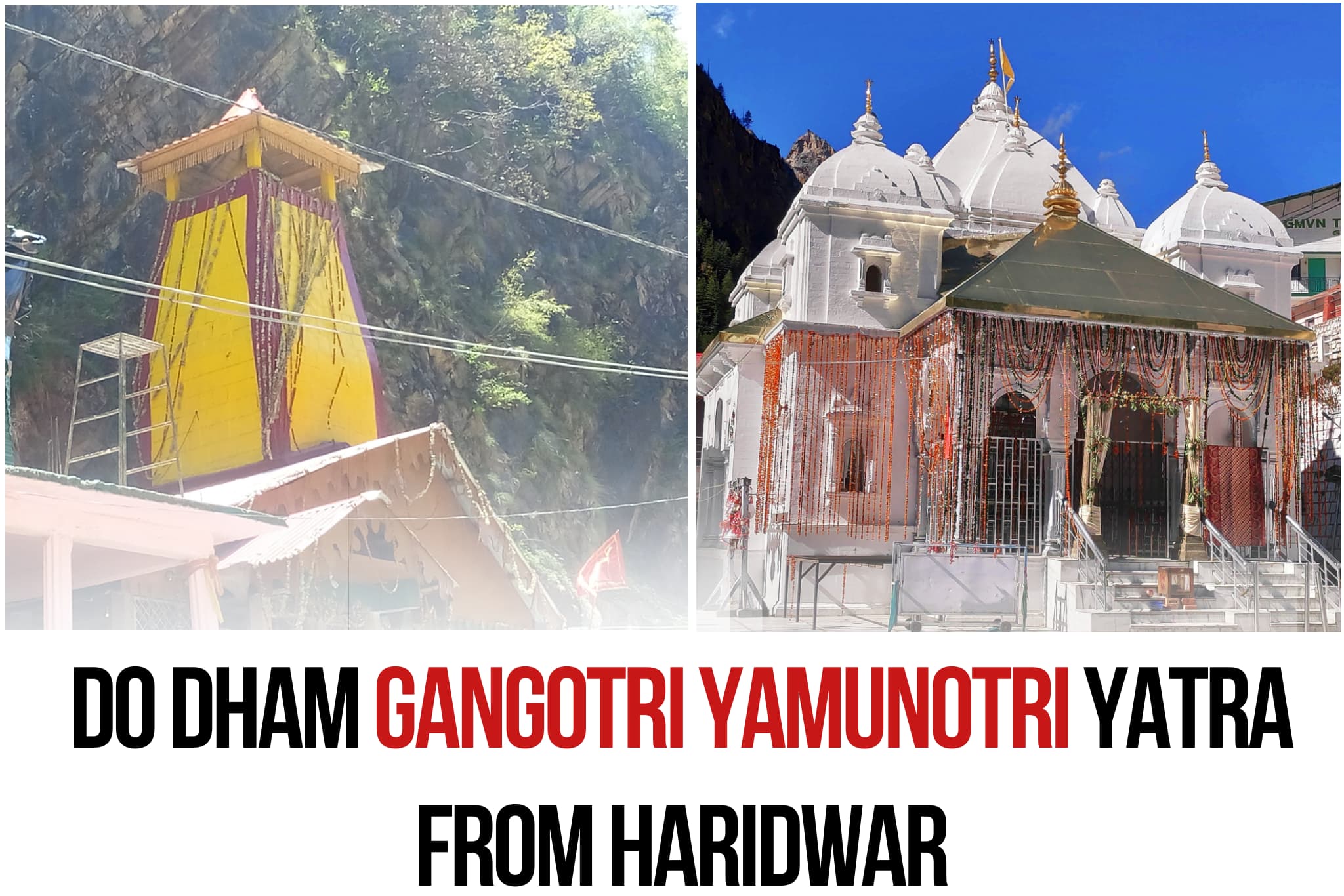
Do Dham Options
If you can't complete all four temples:
Option 1: Kedarnath-Badrinath (2-3 days) Most popular combination covering both Shiva and Vishnu temples.
Option 2: Yamunotri-Gangotri (2-3 days) River source temples, less strenuous.
Option 3: Gangotri-Kedarnath (3-4 days) For Shiva devotees.
About the author
Krishna Murari
Stay in the loop
Enjoy our travel stories? Add Travelbudie as a preferred source on Google.
You'll see more of our guides and tips when you search for travel inspiration.
Add as a preferred source on GoogleYour trip, your way
Ready to turn inspiration into an itinerary?
Tell us your dates, budget, and travel style — our team will craft a personalised trip plan built around what matters to you.
Your trip, your way
Ready to turn inspiration into an itinerary?
Tell us your dates, budget, and travel style — our team will craft a personalised trip plan built around what matters to you.
Travel inspiration
Get guides & deals in your inbox
Destination tips, seasonal itineraries, and exclusive offers — no spam, unsubscribe anytime.